
Cooking classes in Paris
Learn how to make magic with flour, butter, and a sharp knife.
Browse by class type
1/1 səhifə


Cooking classes under $75
Explore budget-friendly cooking classes in the city.
1/1 səhifə

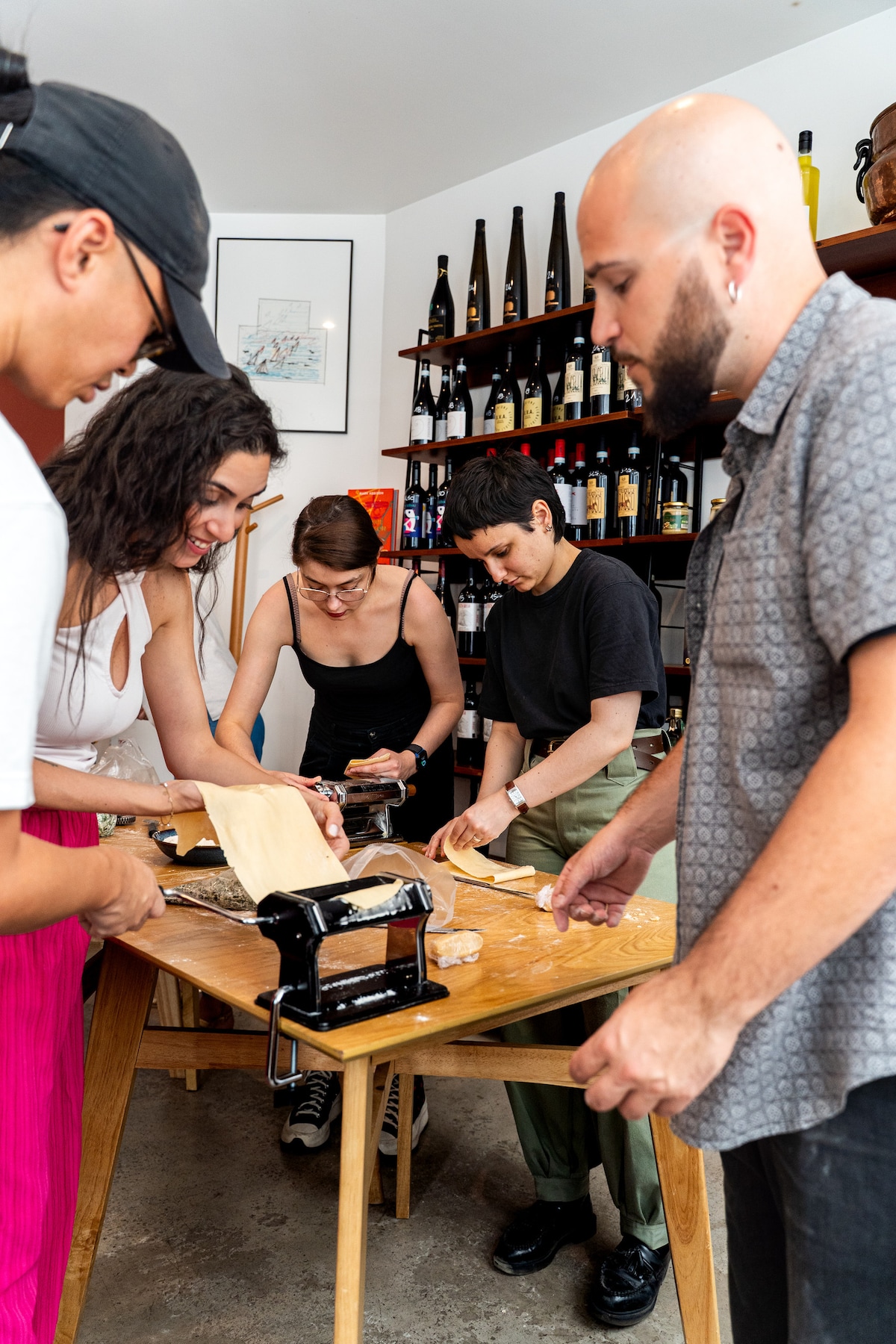
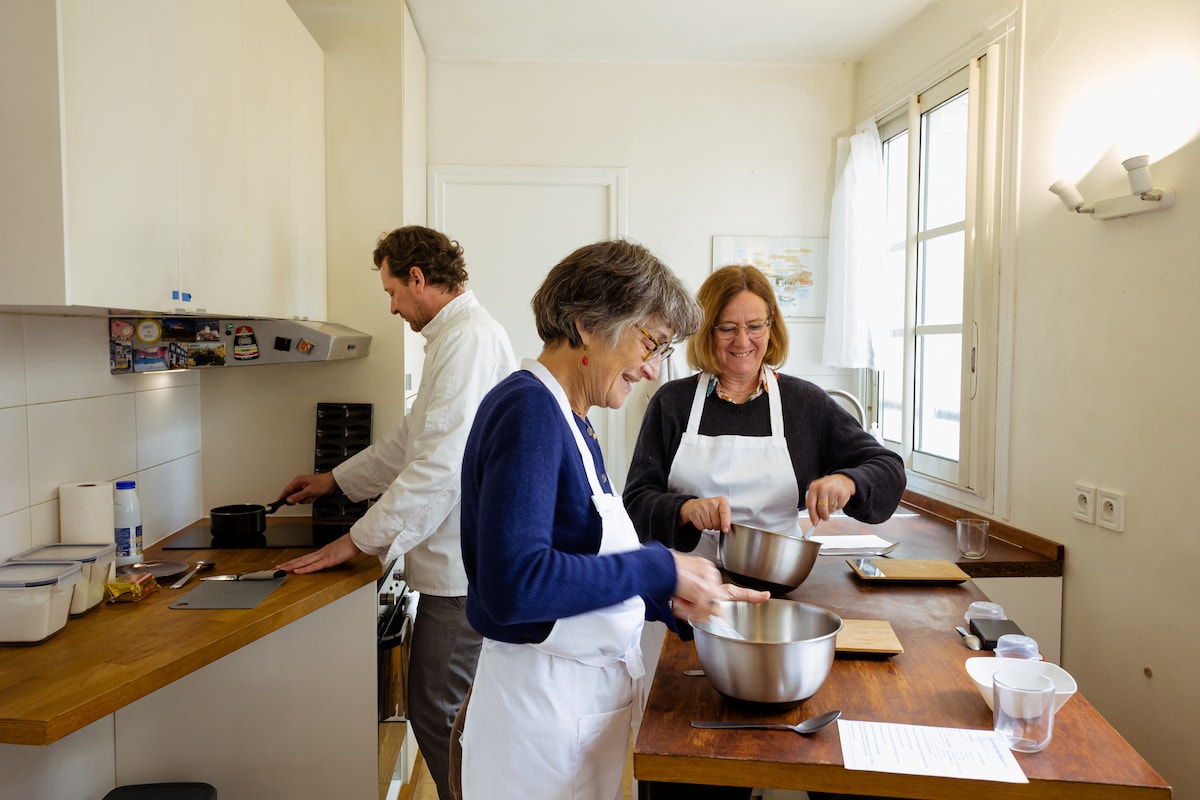
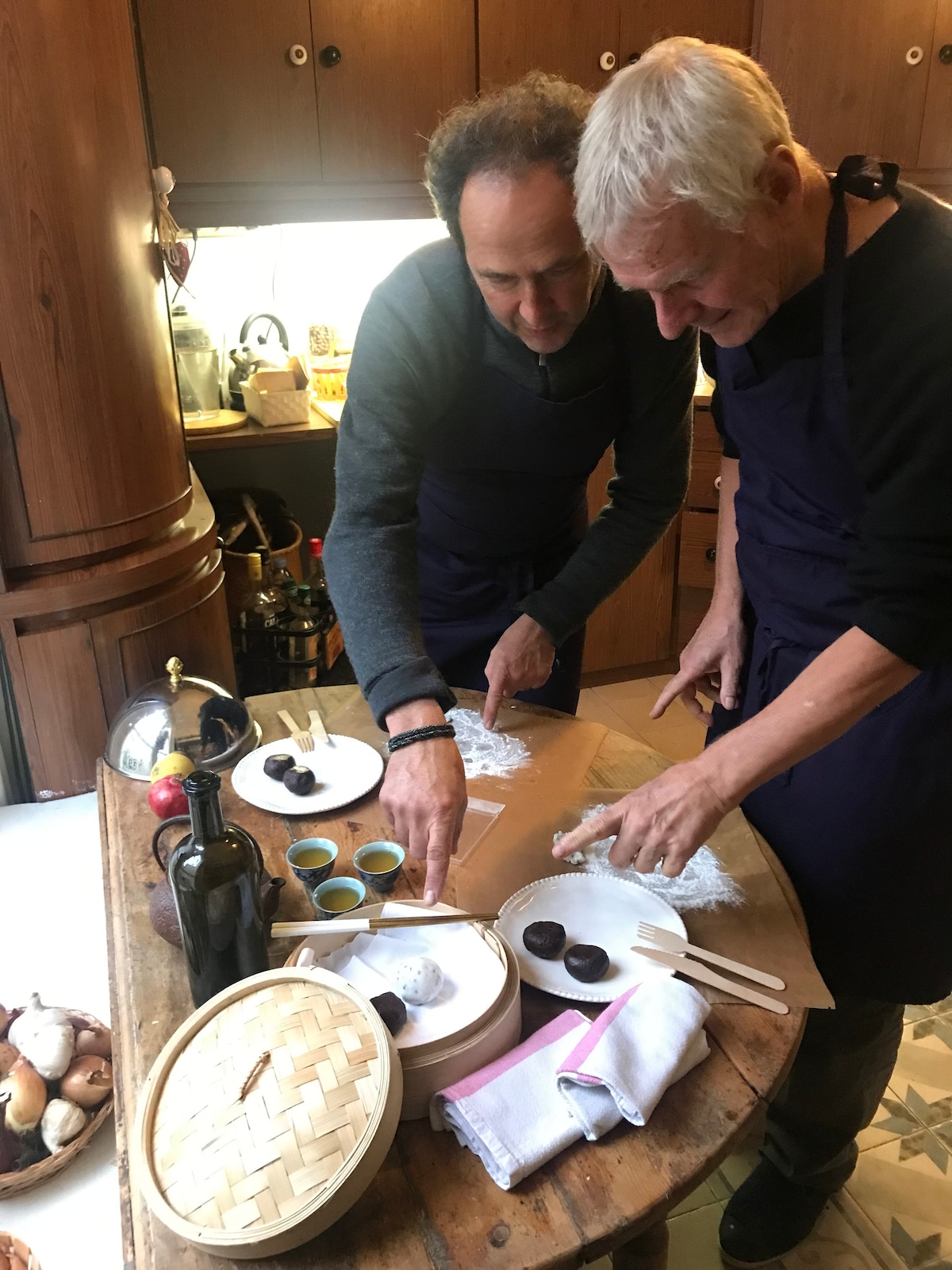
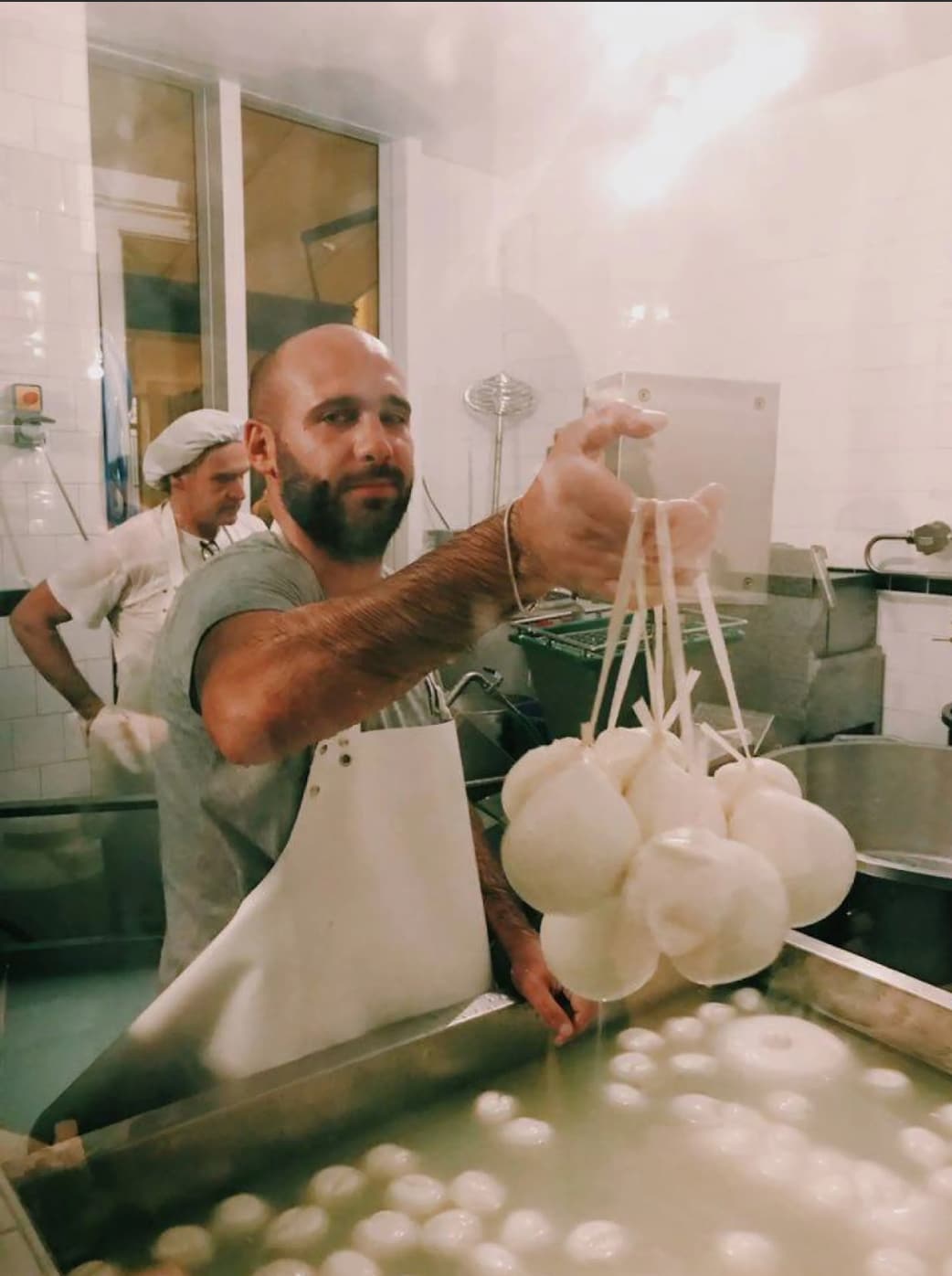

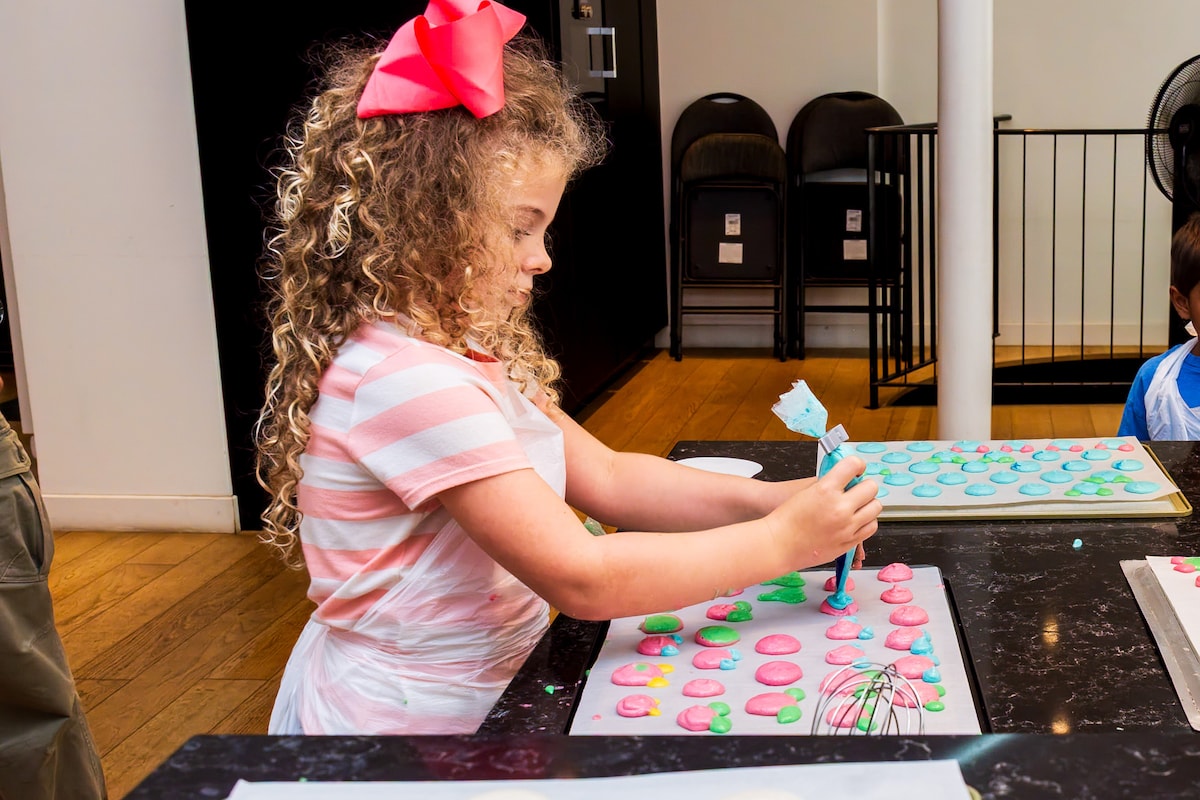
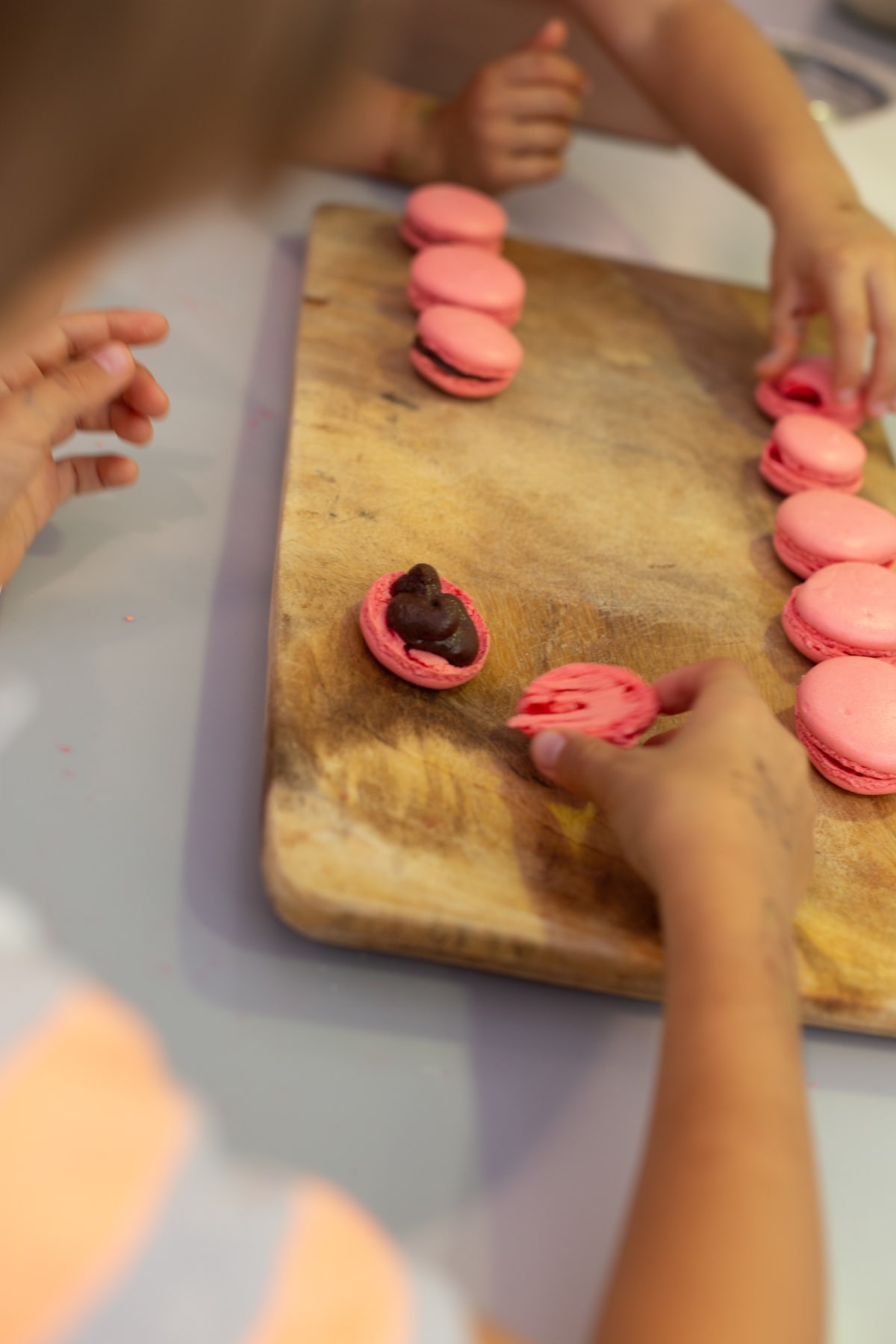
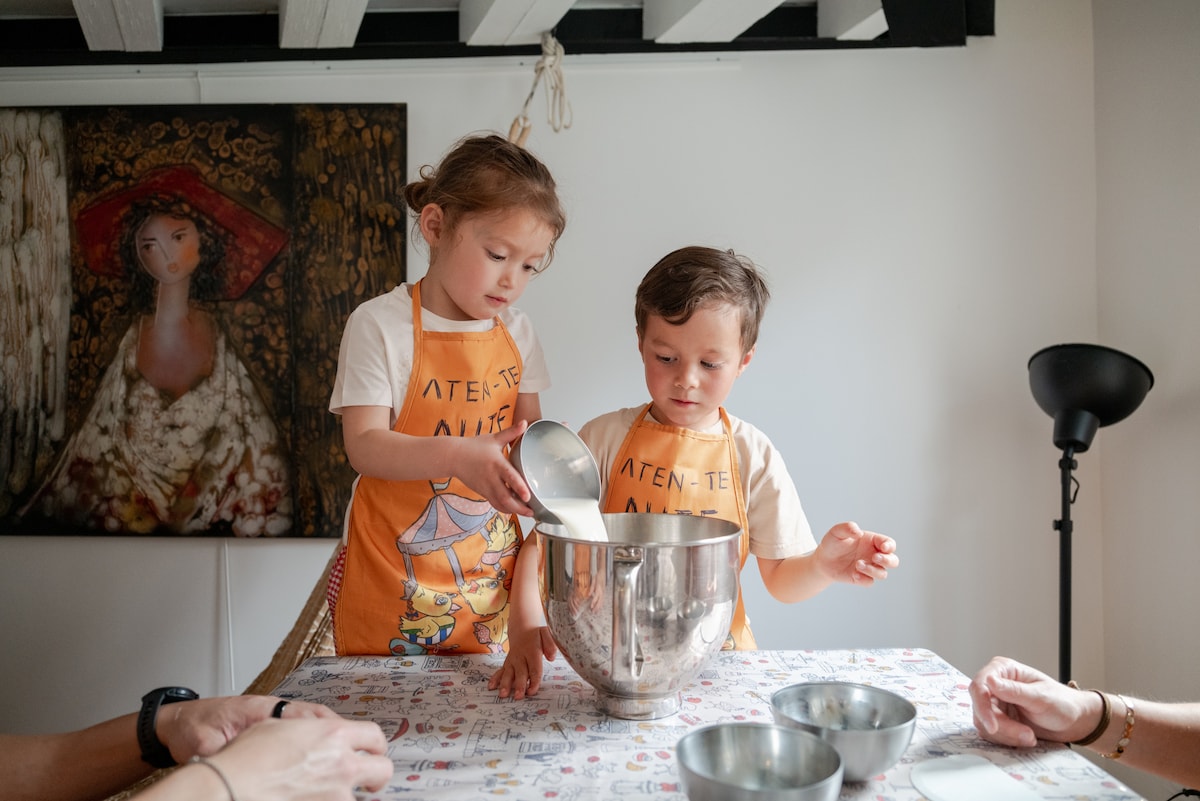
Cooking classes for families
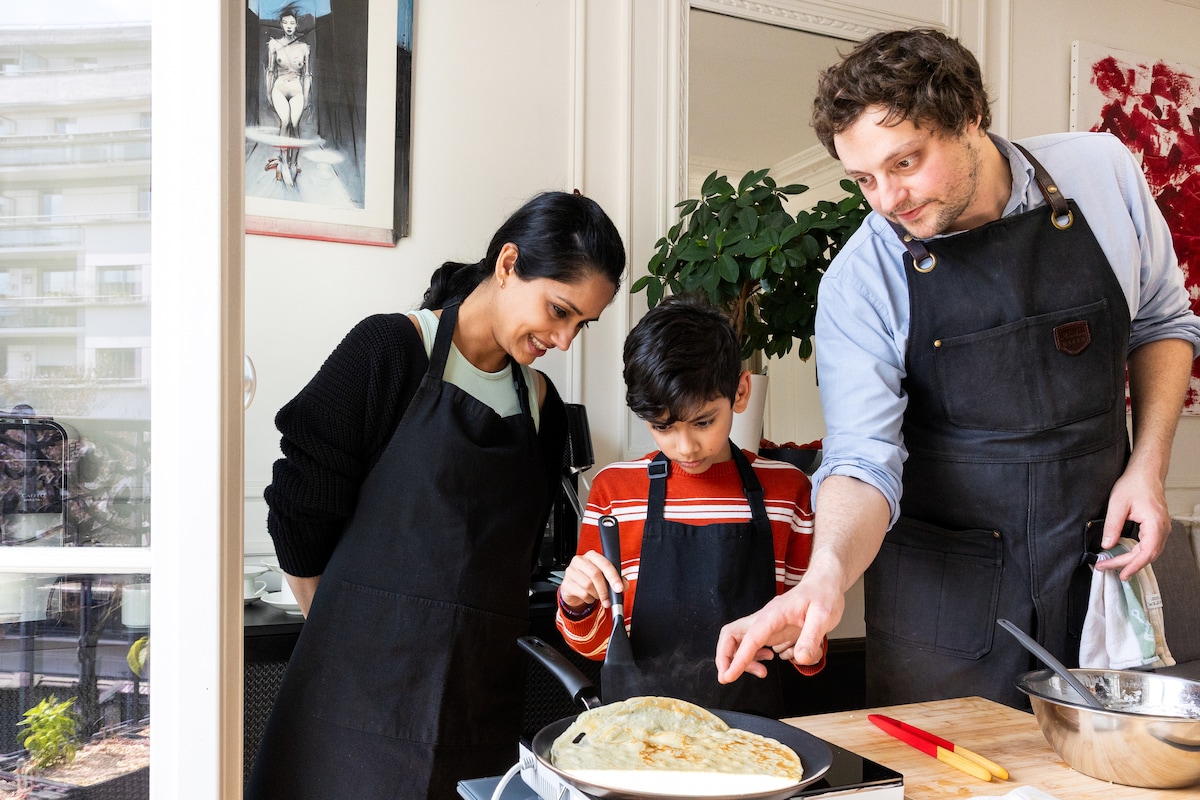
Bring the kids into the kitchen too.
1/1 səhifə
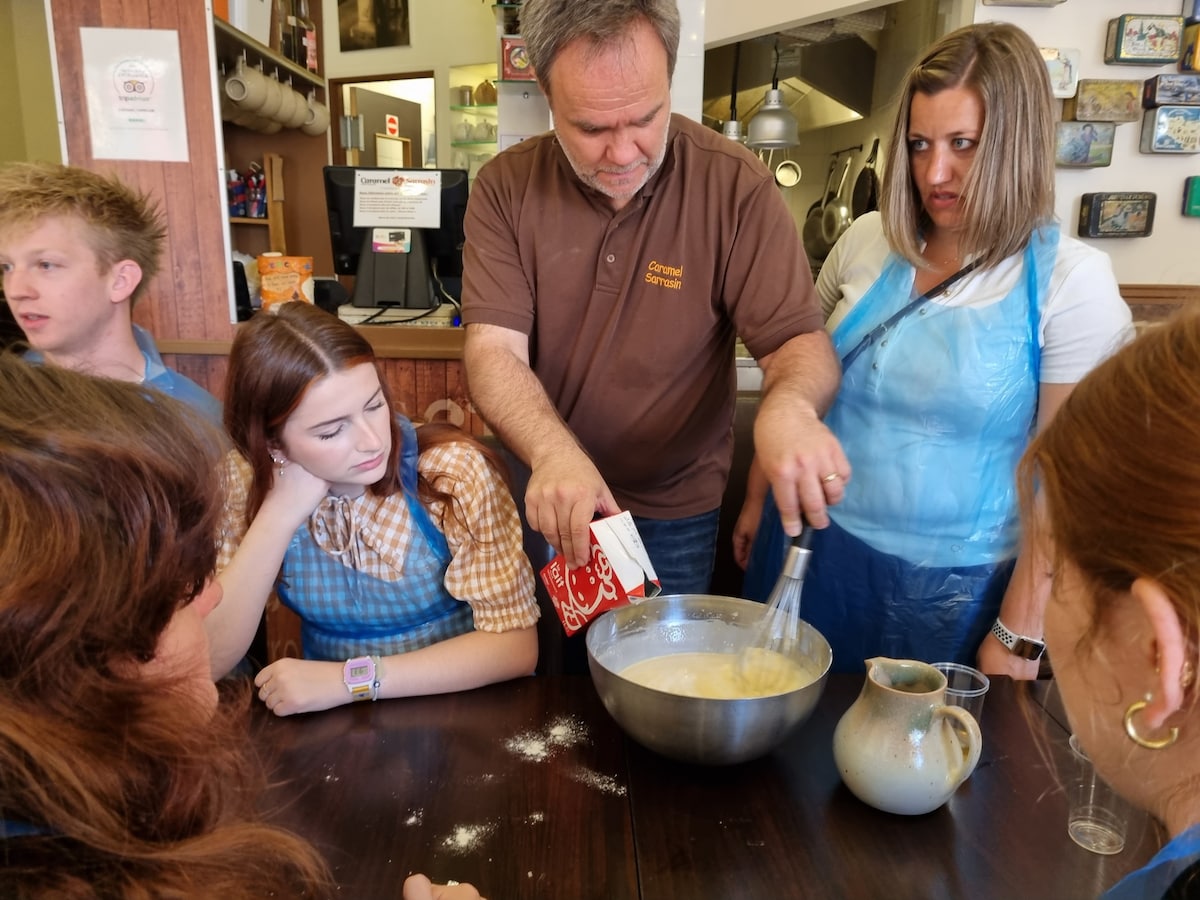


Private cooking classes
Have a chef all to yourselves.
1/1 səhifə
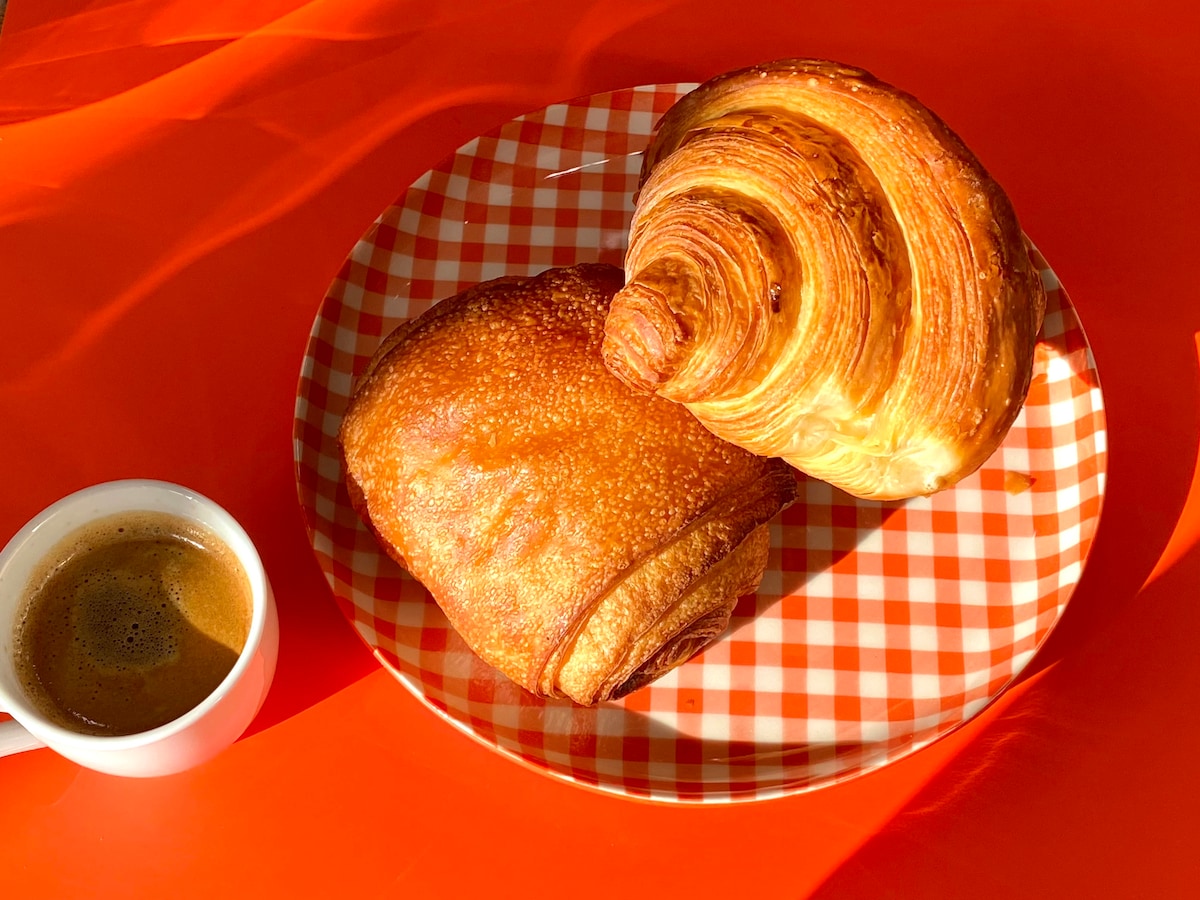
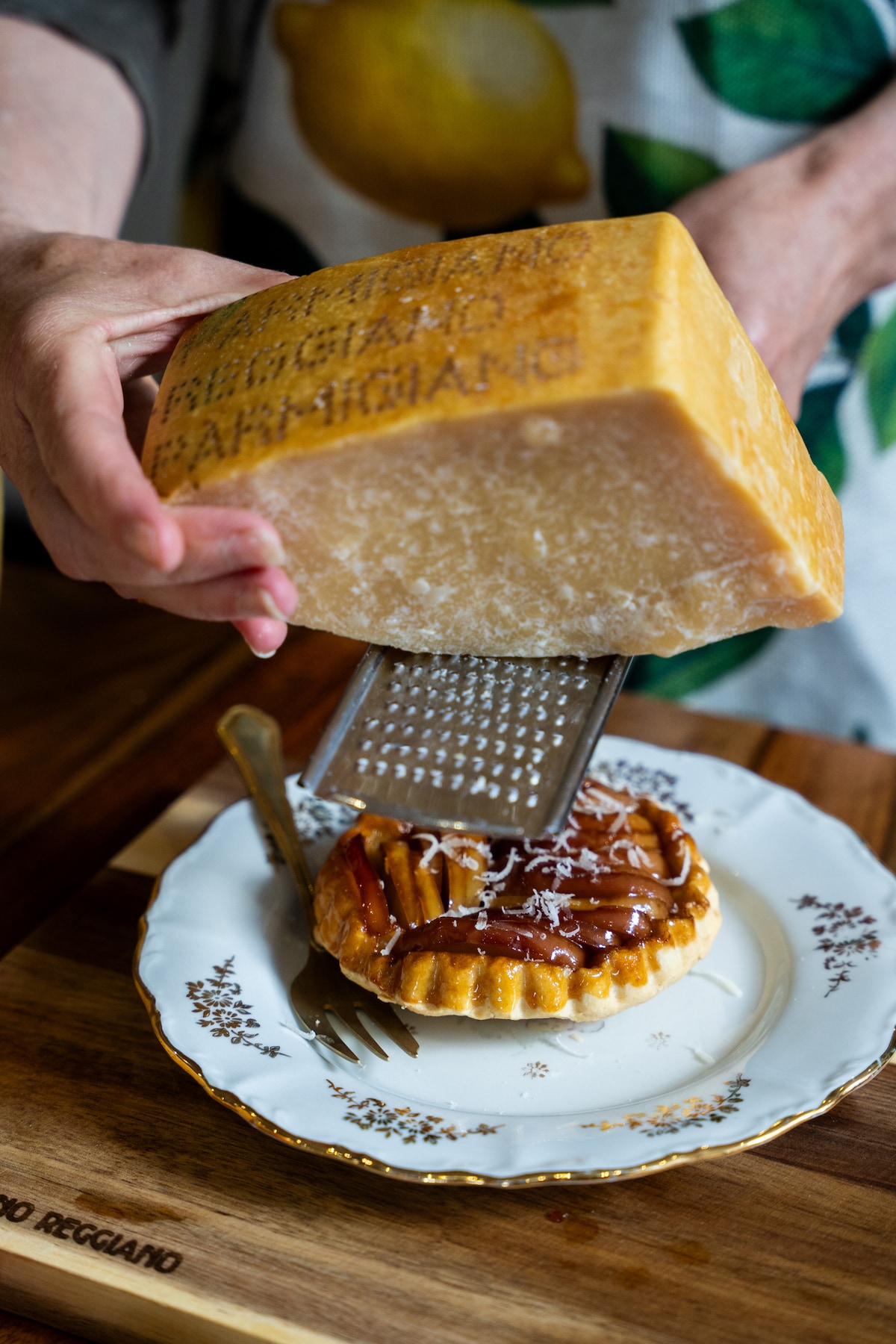
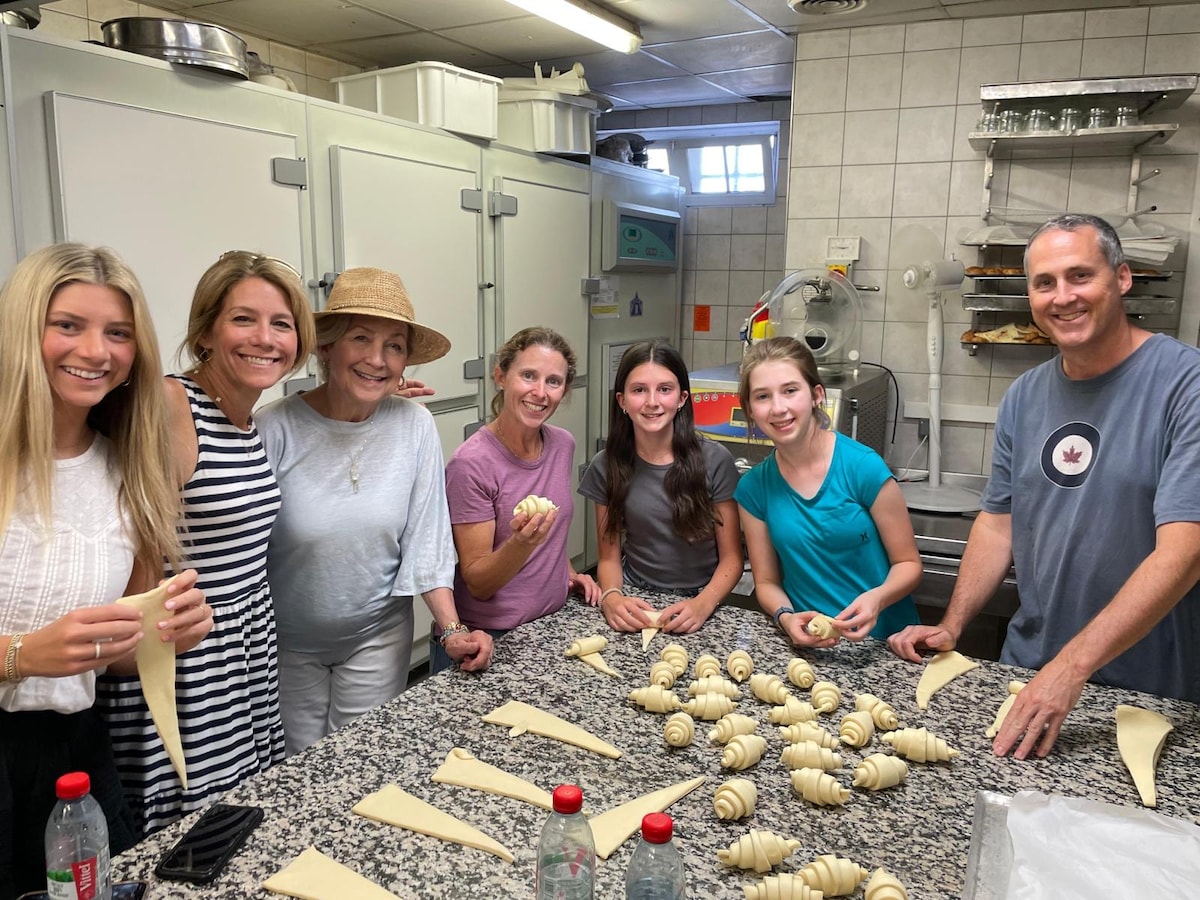
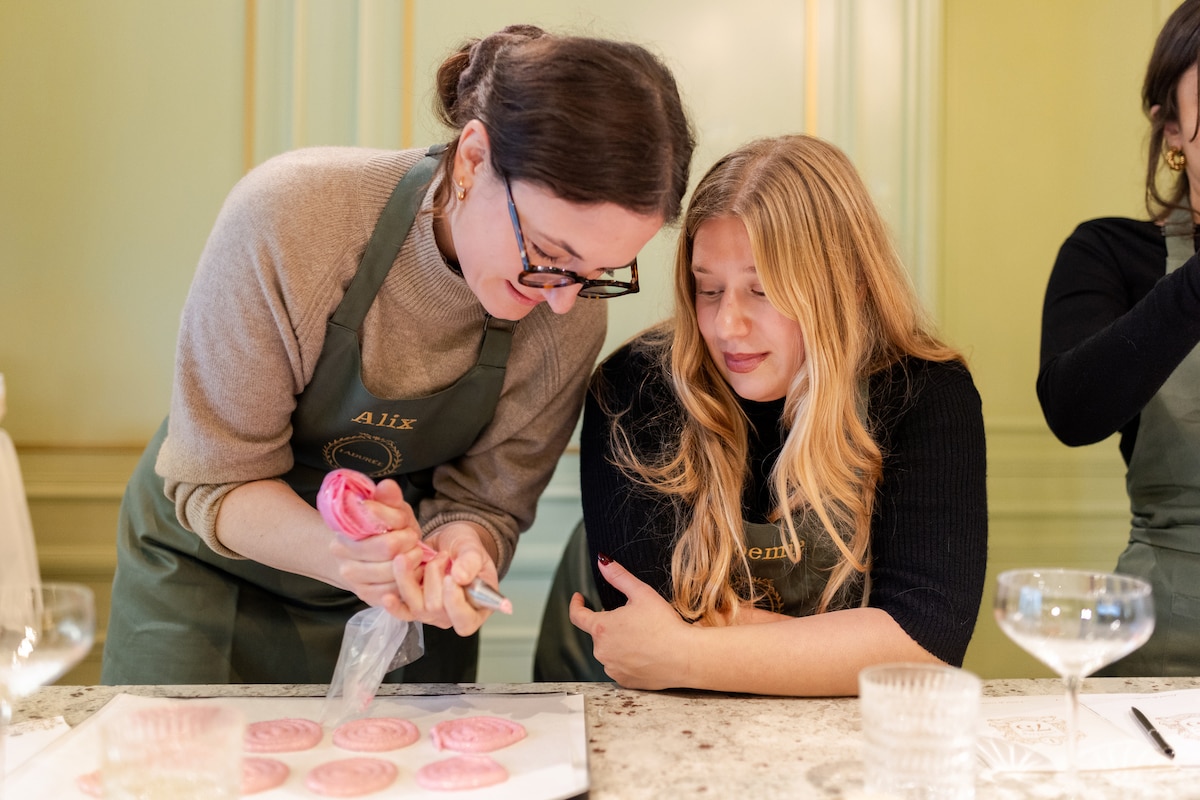
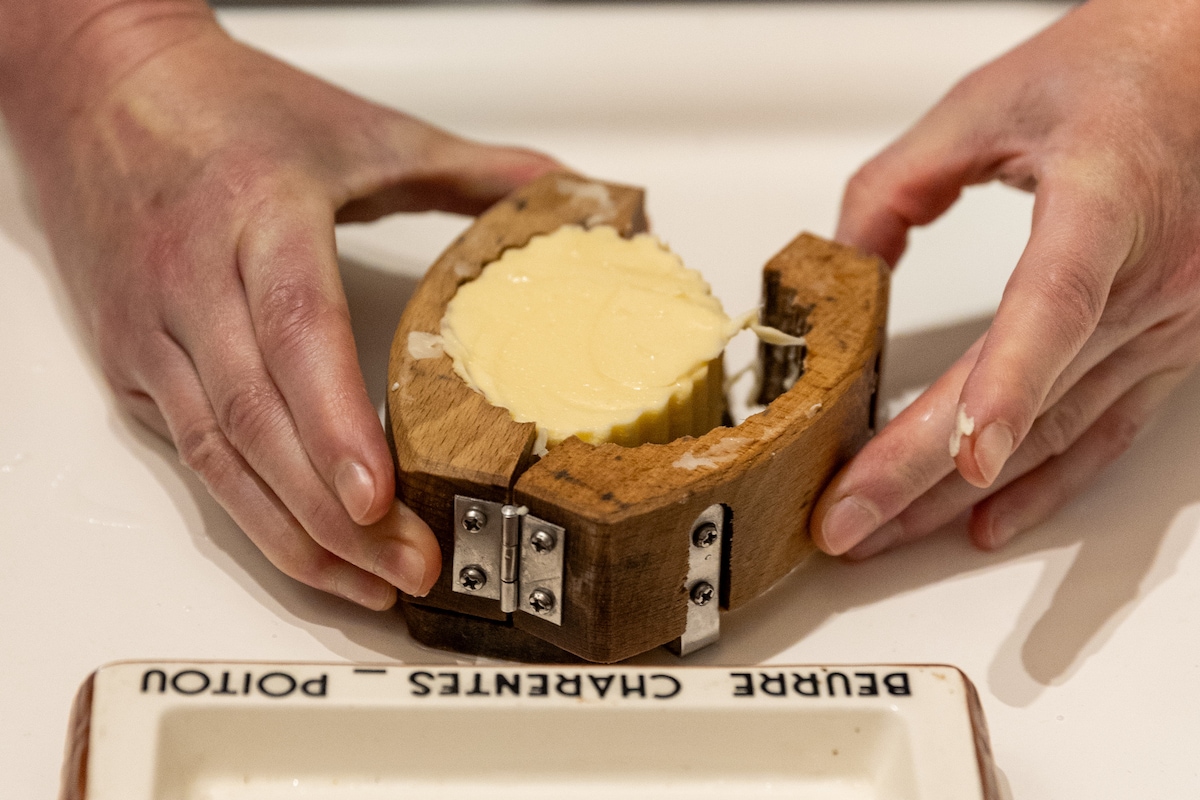
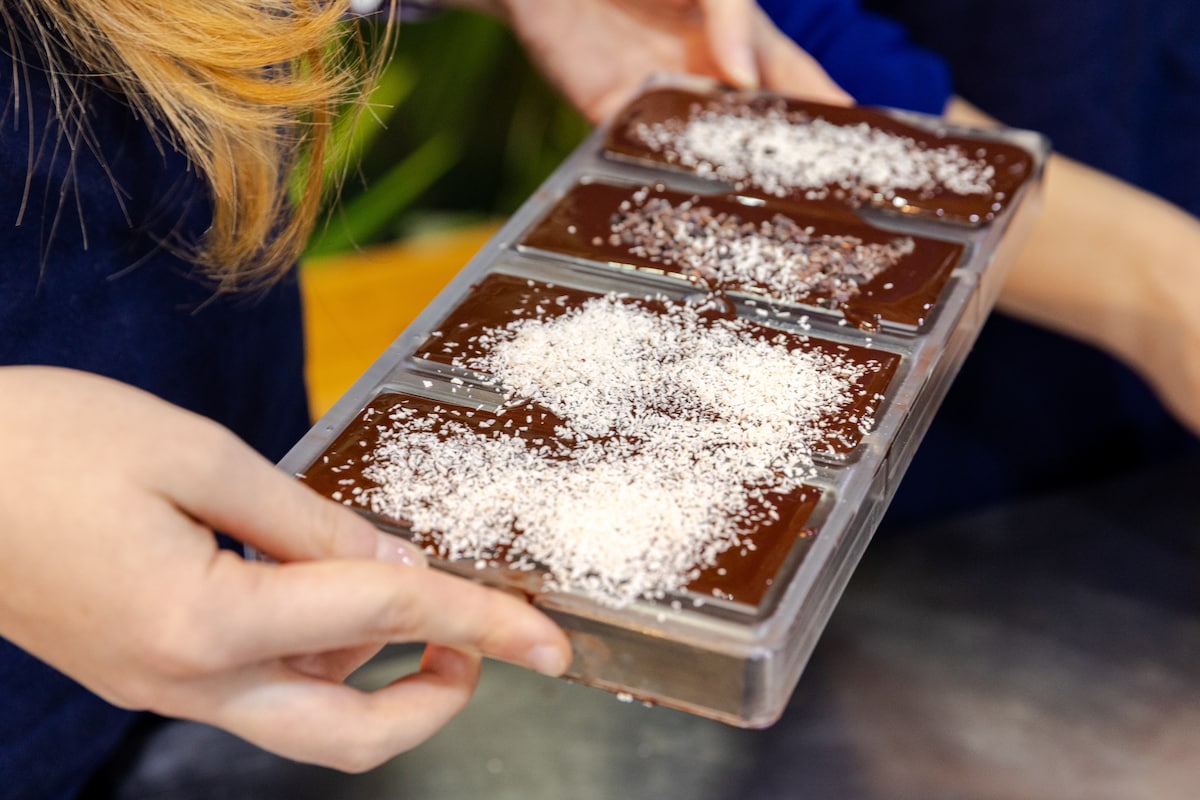
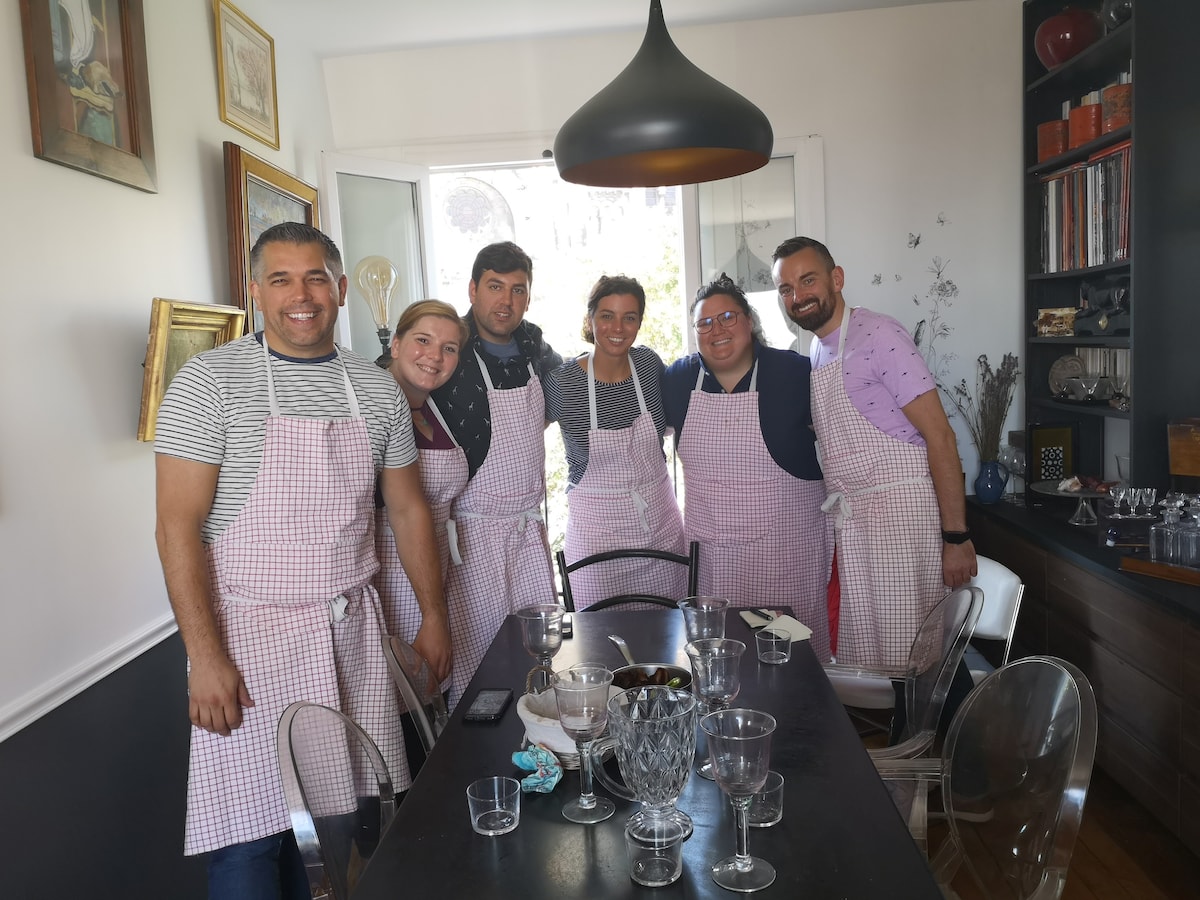
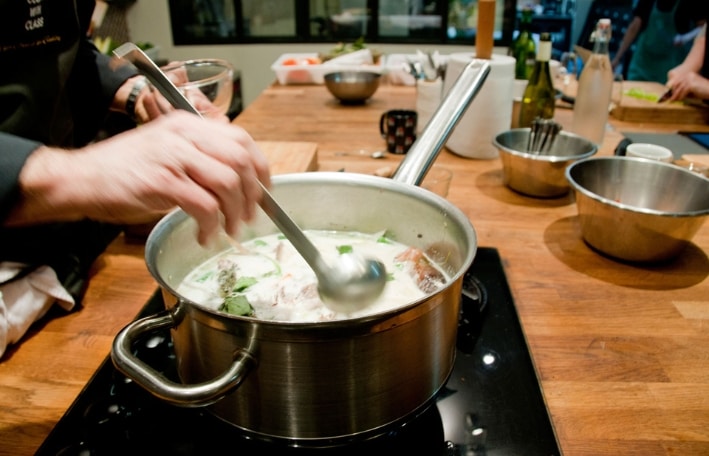
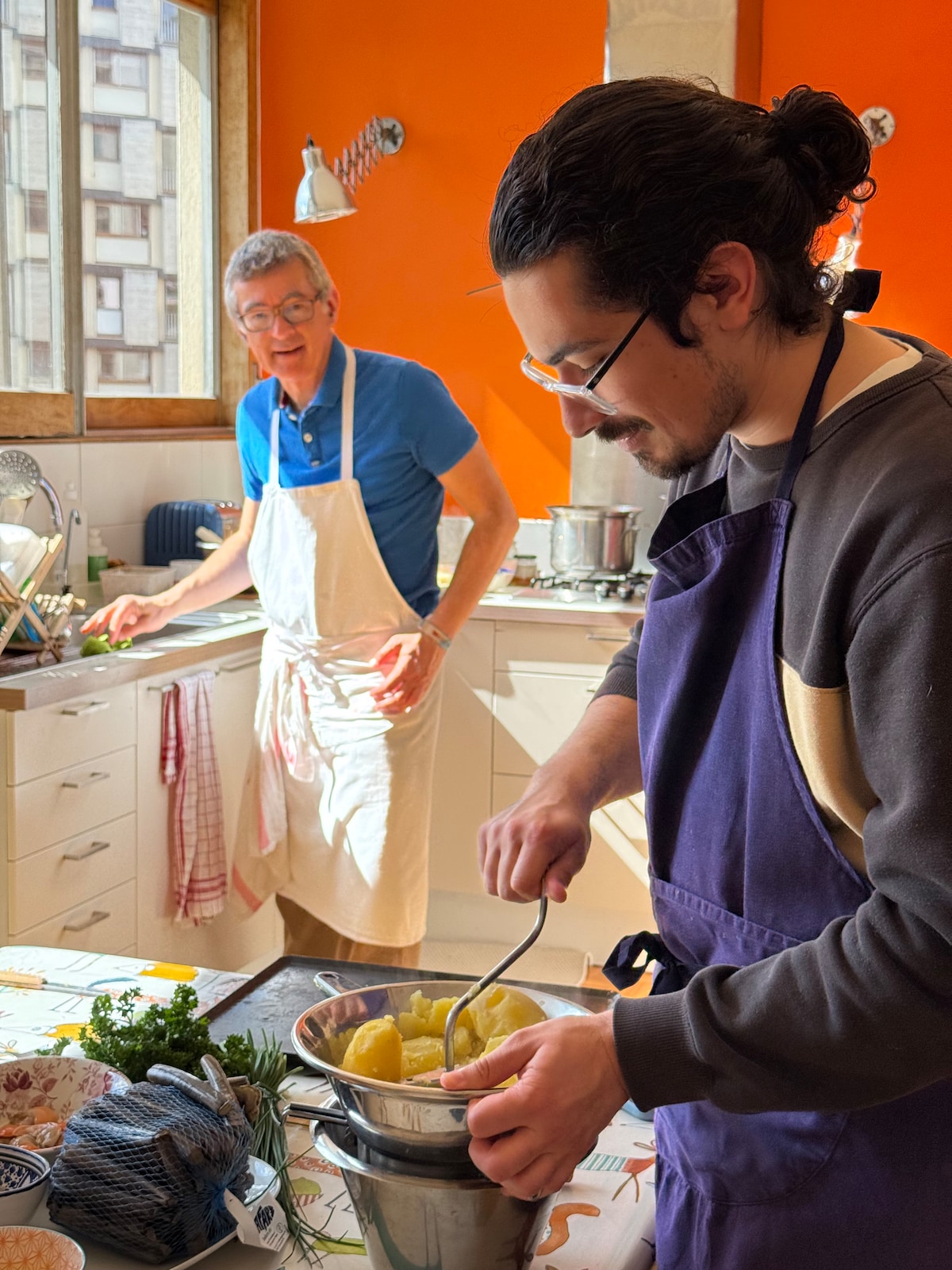
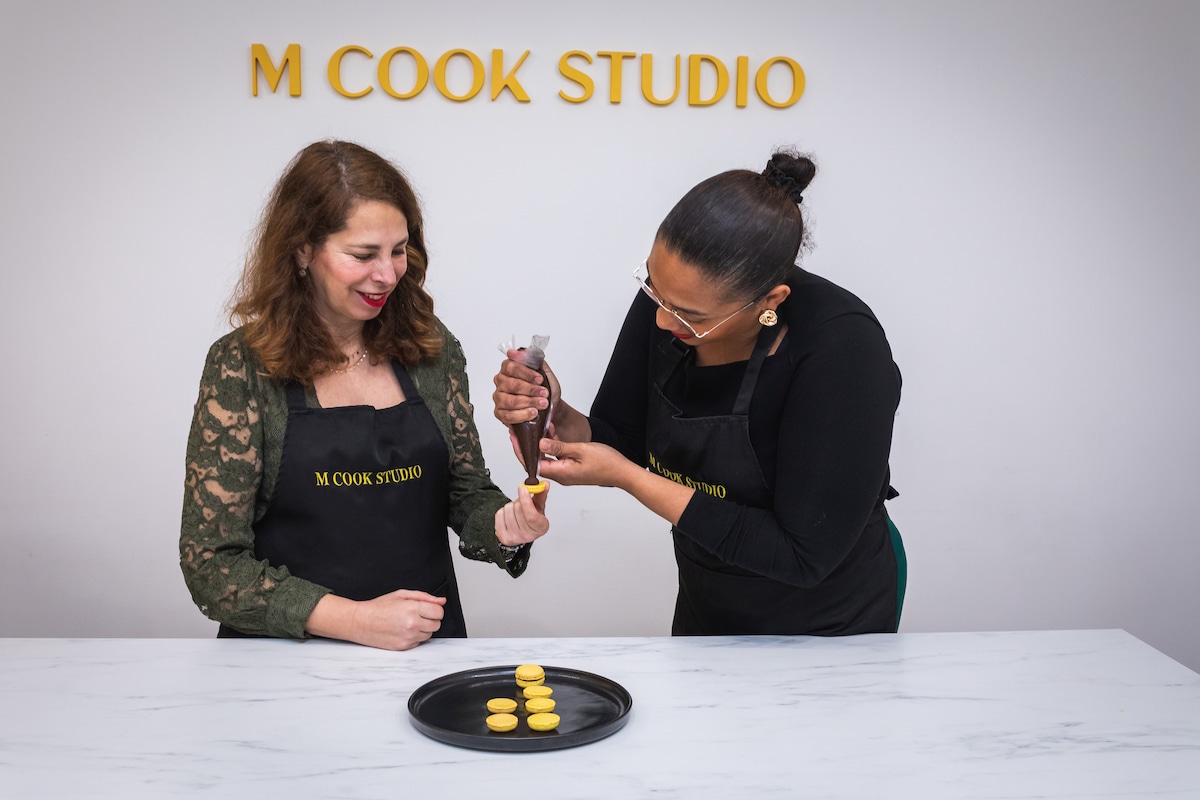
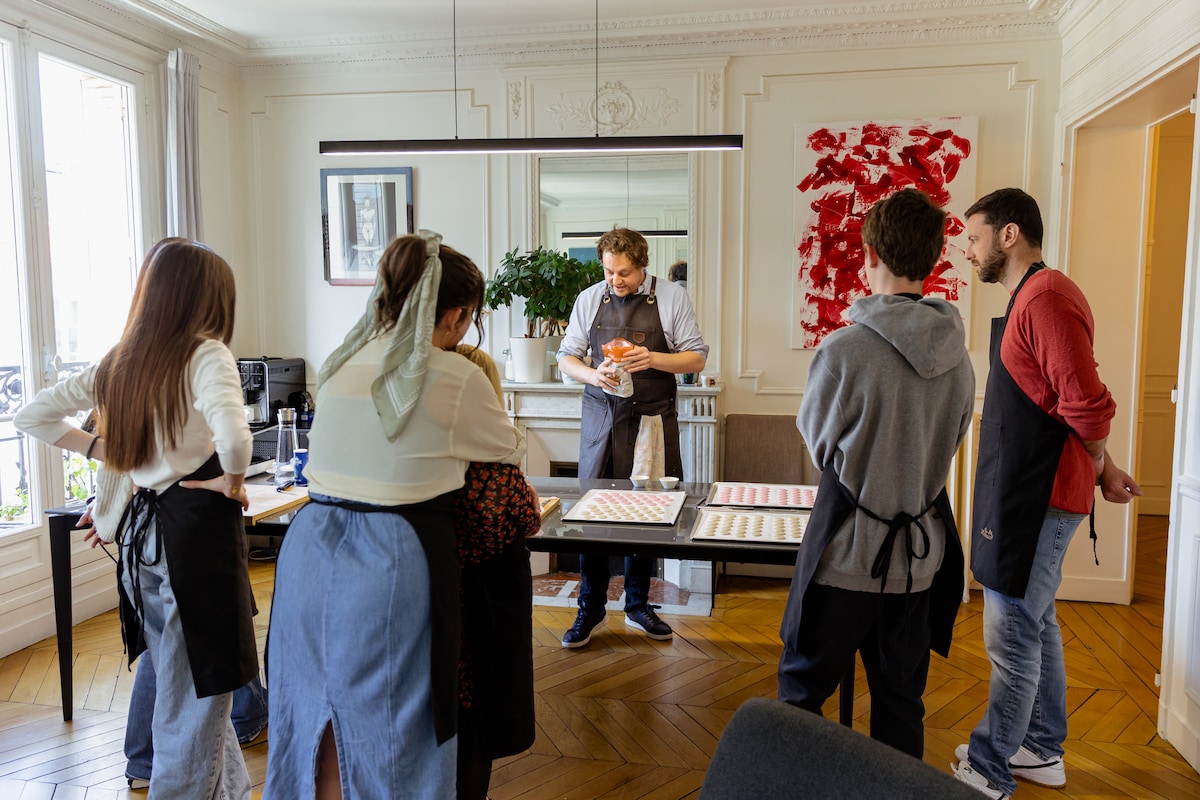
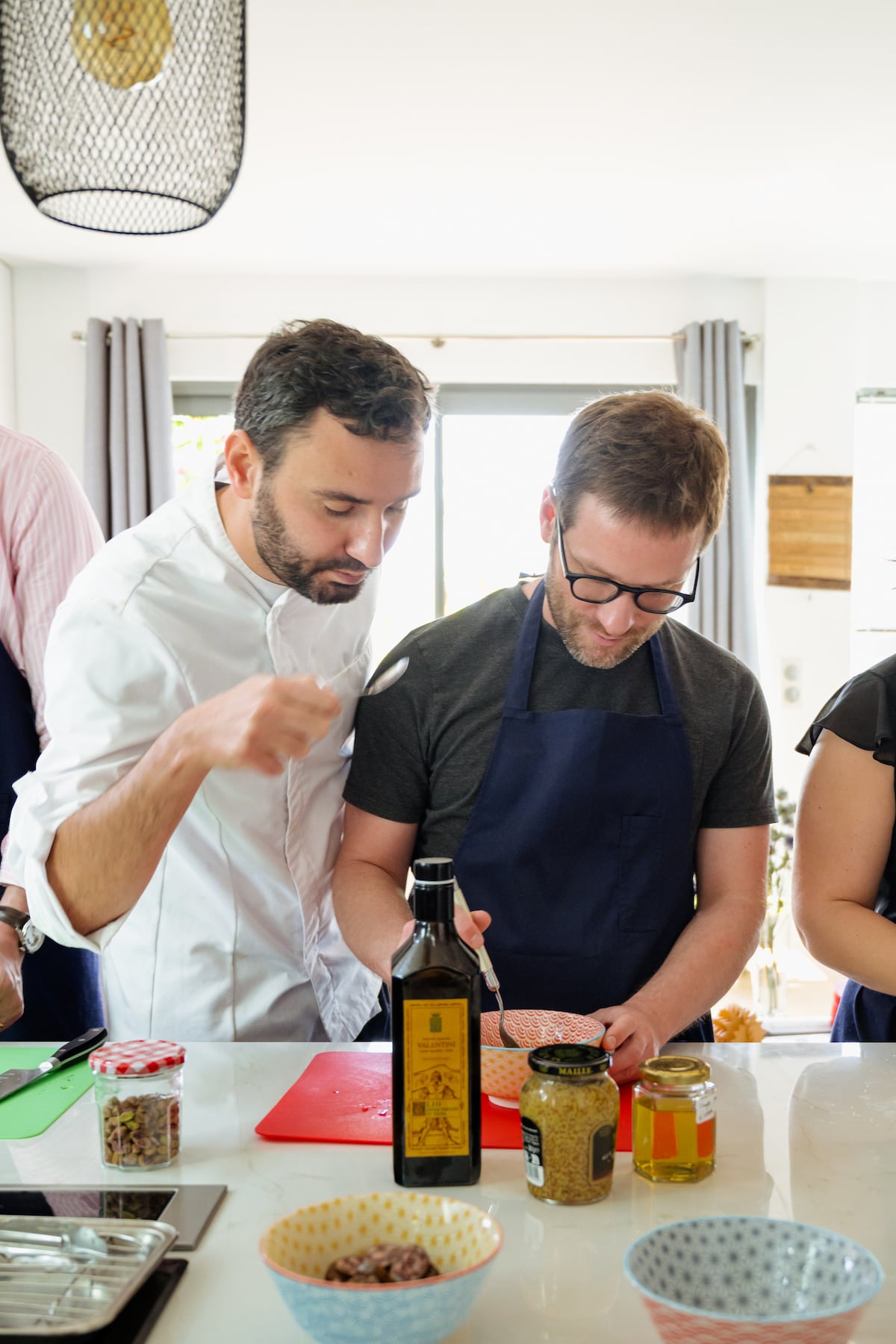
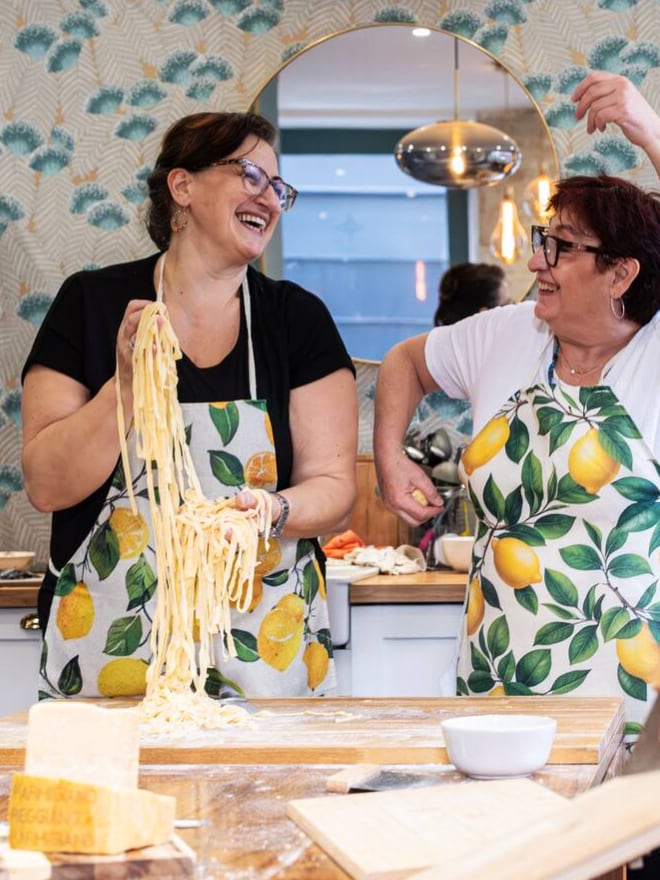
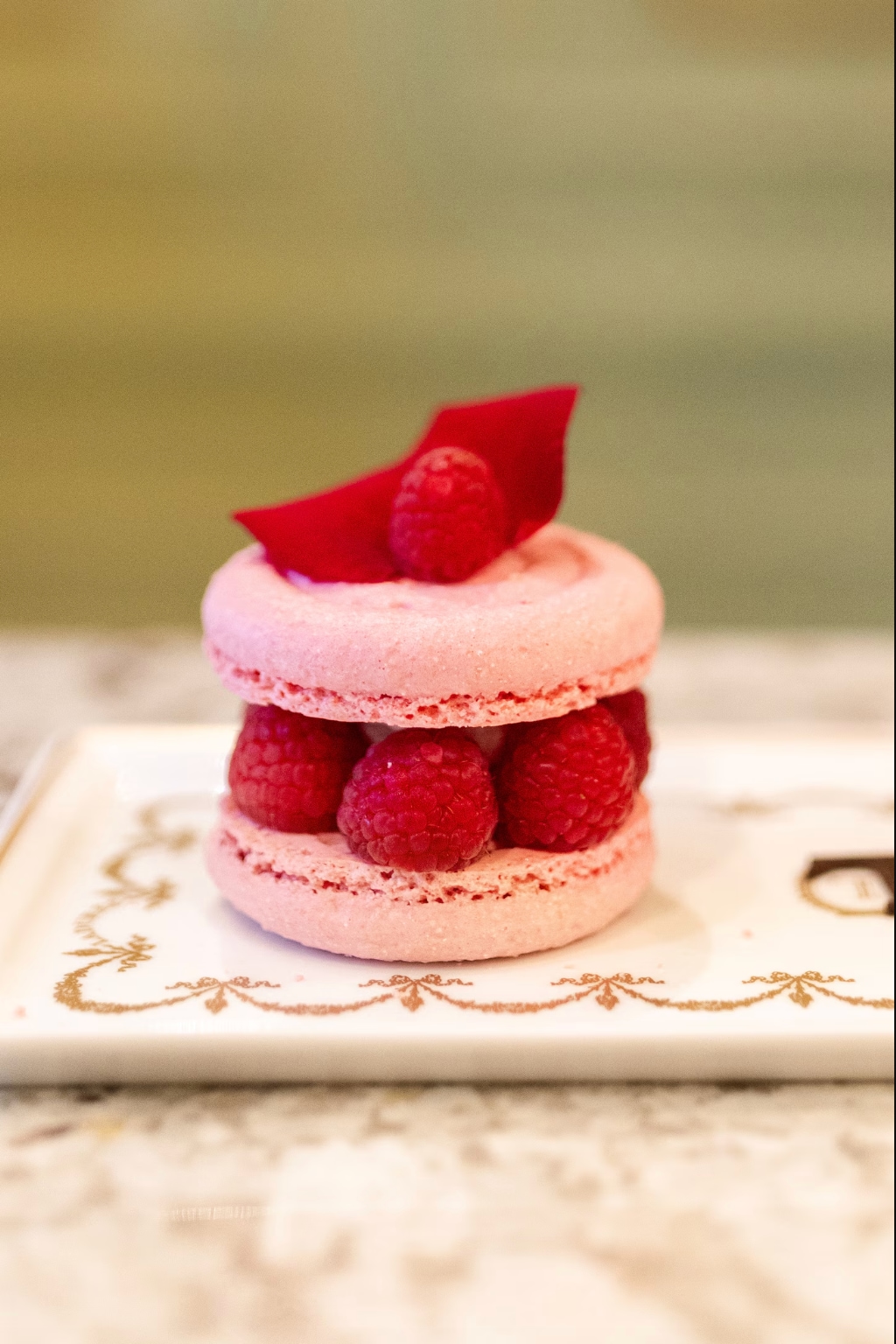
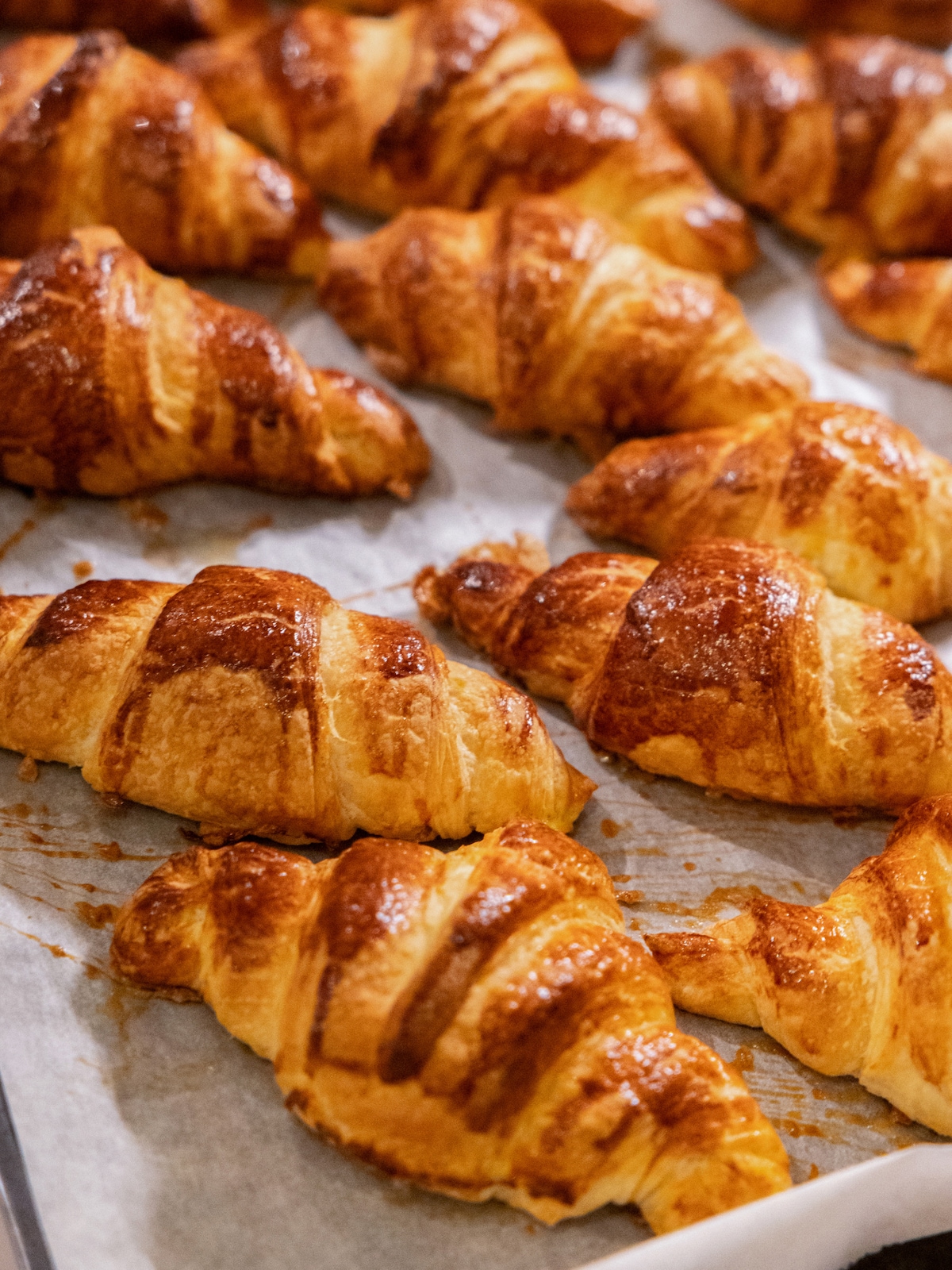
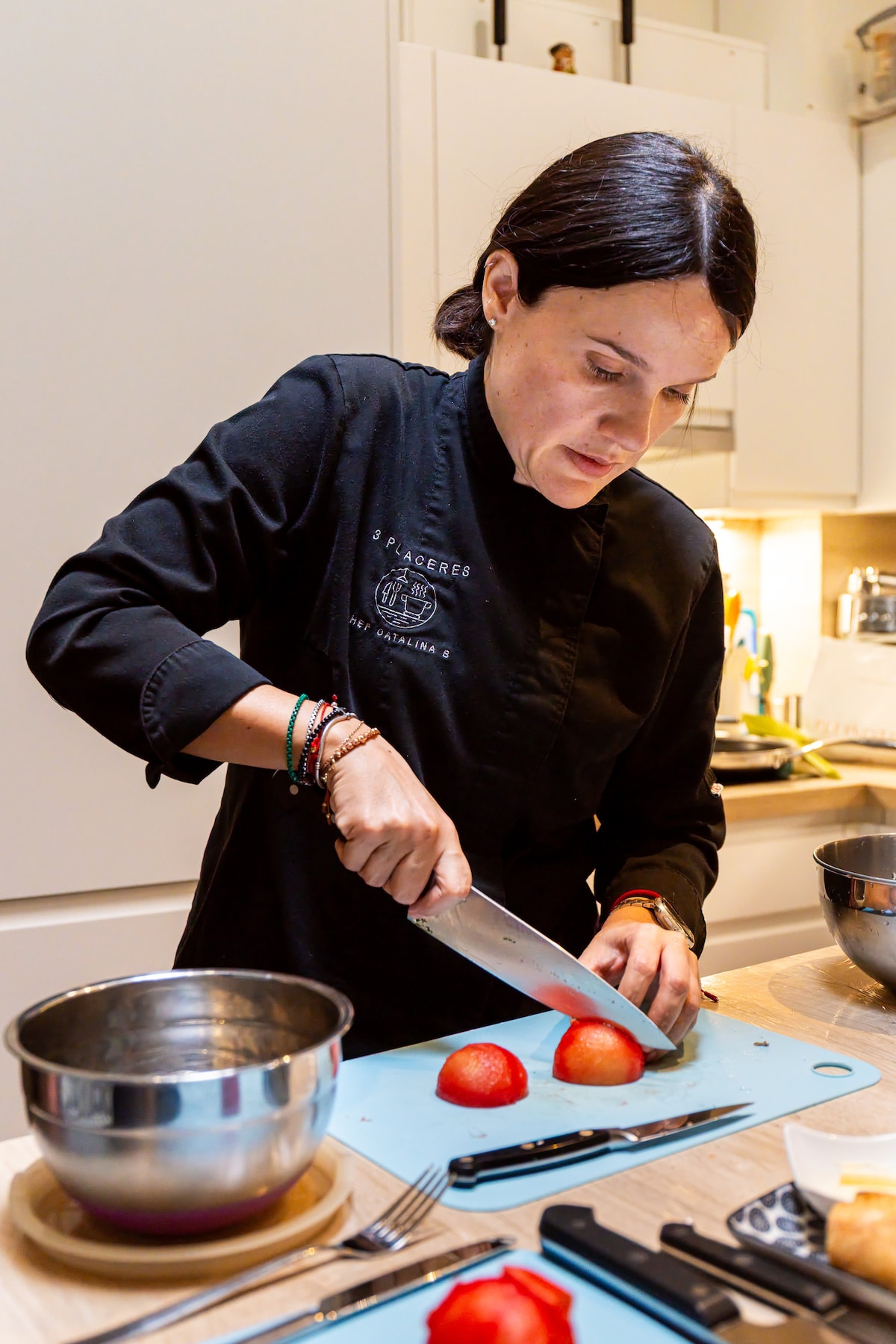
Other popular cooking classes in Paris
Book the most-loved classes in the city.
1/1 səhifə

About cooking classes in Paris
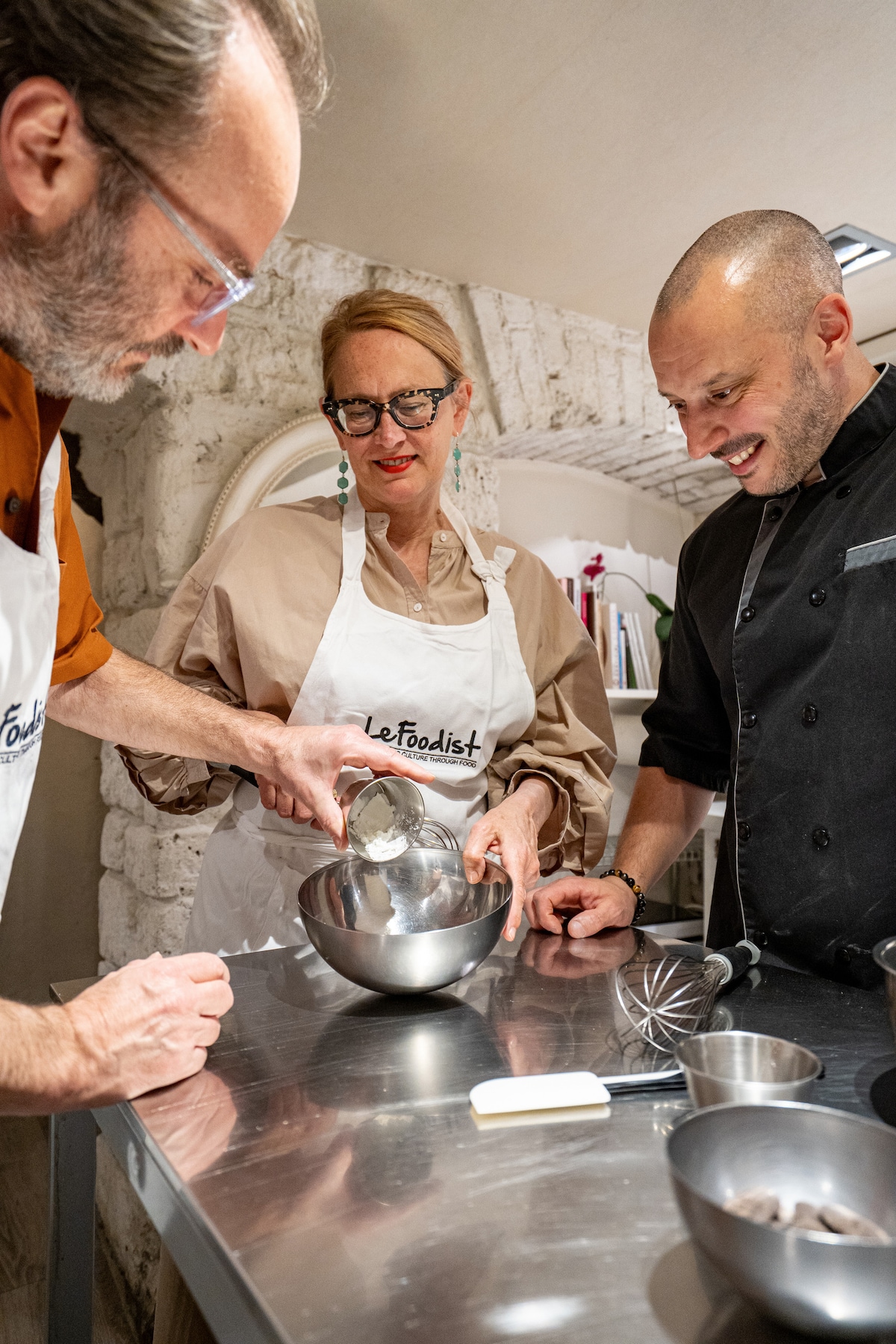
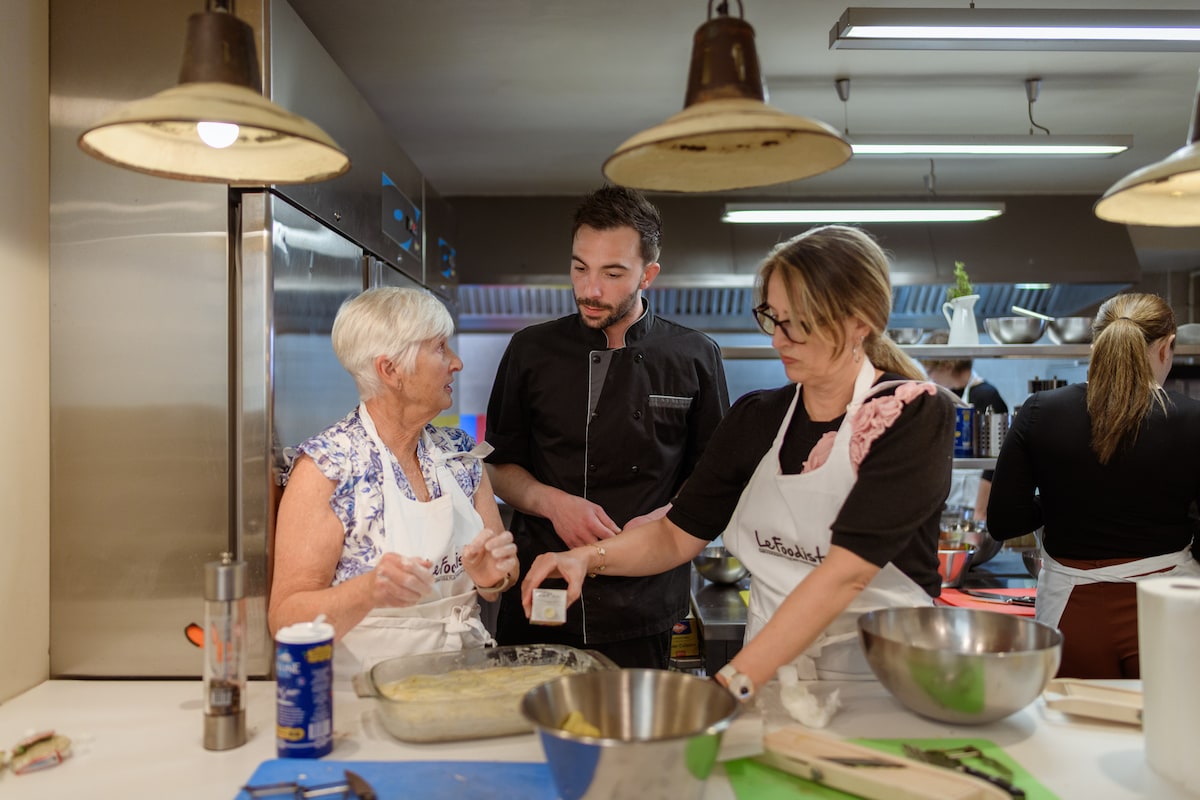
Cooking classes in Paris draw on a culinary tradition shaped by the city’s open-air markets, its neighborhood boulangeries, and a culture that treats a shared meal as an art form. French cuisine has earned a spot on UNESCO’s intangible heritage list—not for any single dish, but for the entire ritual of choosing ingredients, pairing wines, and sitting down together. That spirit runs through every cooking class, whether you’re folding croissant dough in Montmartre, piping macarons in the Latin Quarter, or building a three-course lunch from a market near the Seine. Taking a class with a local chef can help you connect technique to culture. They won’t just show you what to do, they’ll explain the science behind a perfect béchamel or the regional origins of a certain cheese. Classes range from two-hour pastry workshops to full-day programs, and most are taught in English. Small group sessions help it feel more like a gathering of friends than a lecture. You’ll leave with recipes, confidence, and a real sense of what French cooking means.
Top highlights for your visit

Market mornings
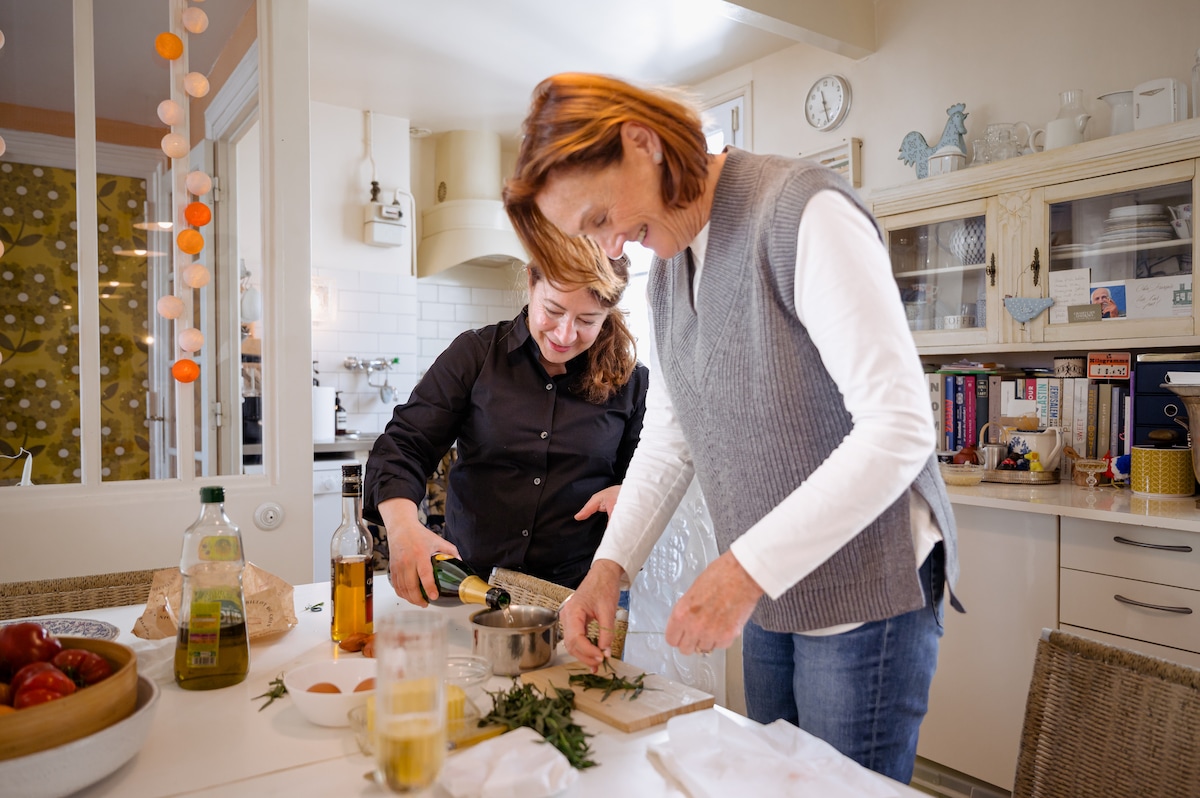
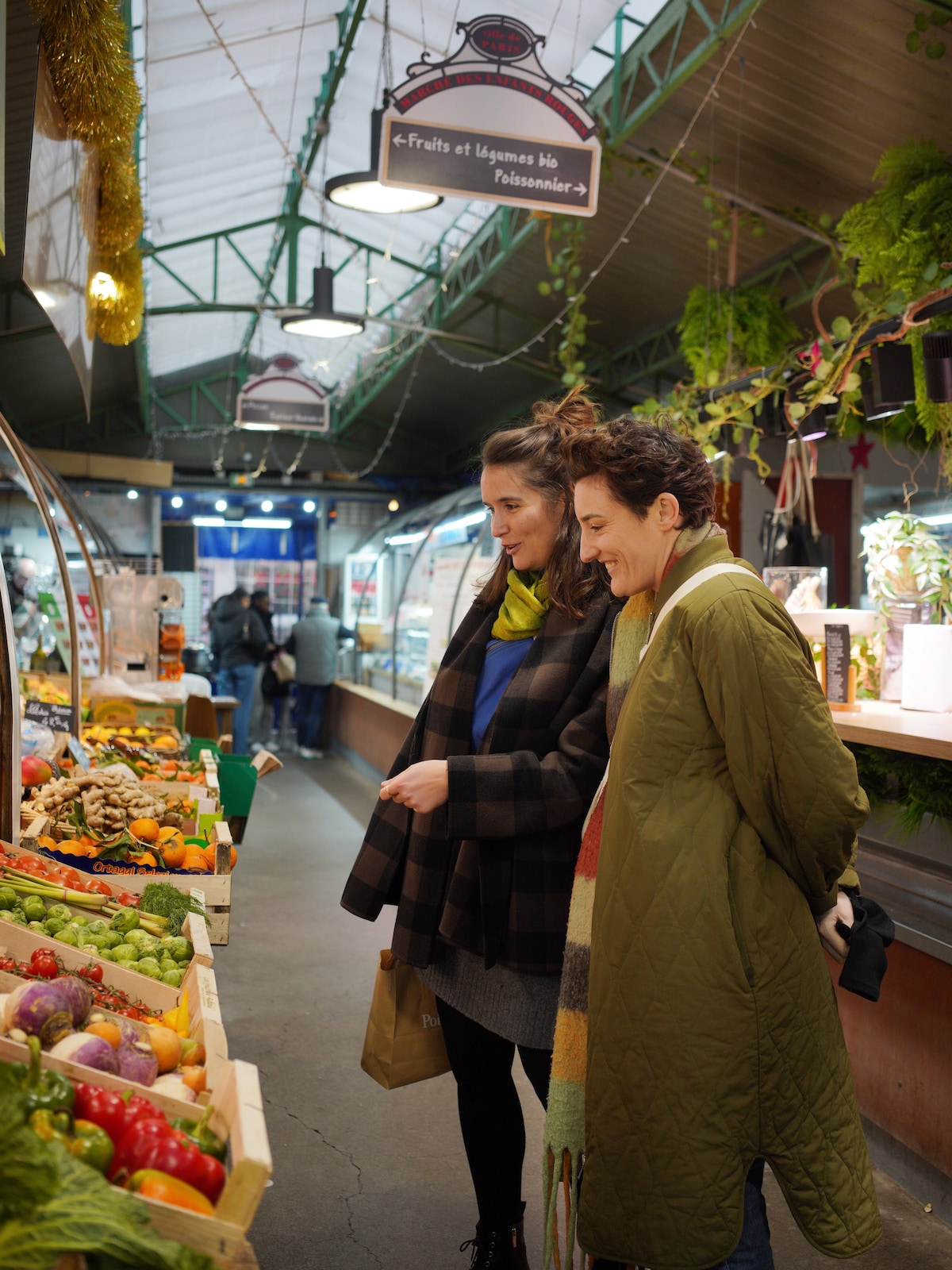
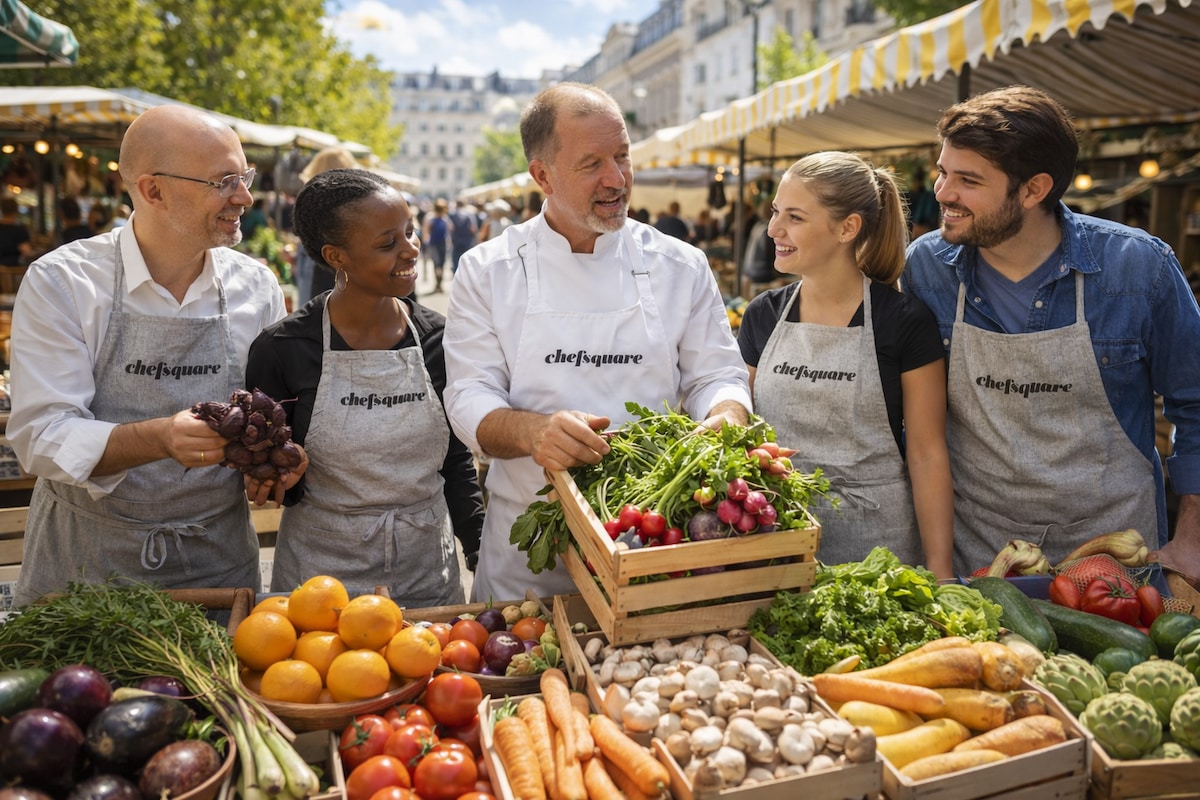
Many classes begin at an open-air market, where the chef shows you how Parisians actually shop and helps you choose seasonal produce, artisanal cheeses, and fresh seafood. It’s a wonderful way to start the day, and by the time you’re back in the kitchen, you’ll already have a feel for the ingredients you’re about to cook with.

Pastry and baking
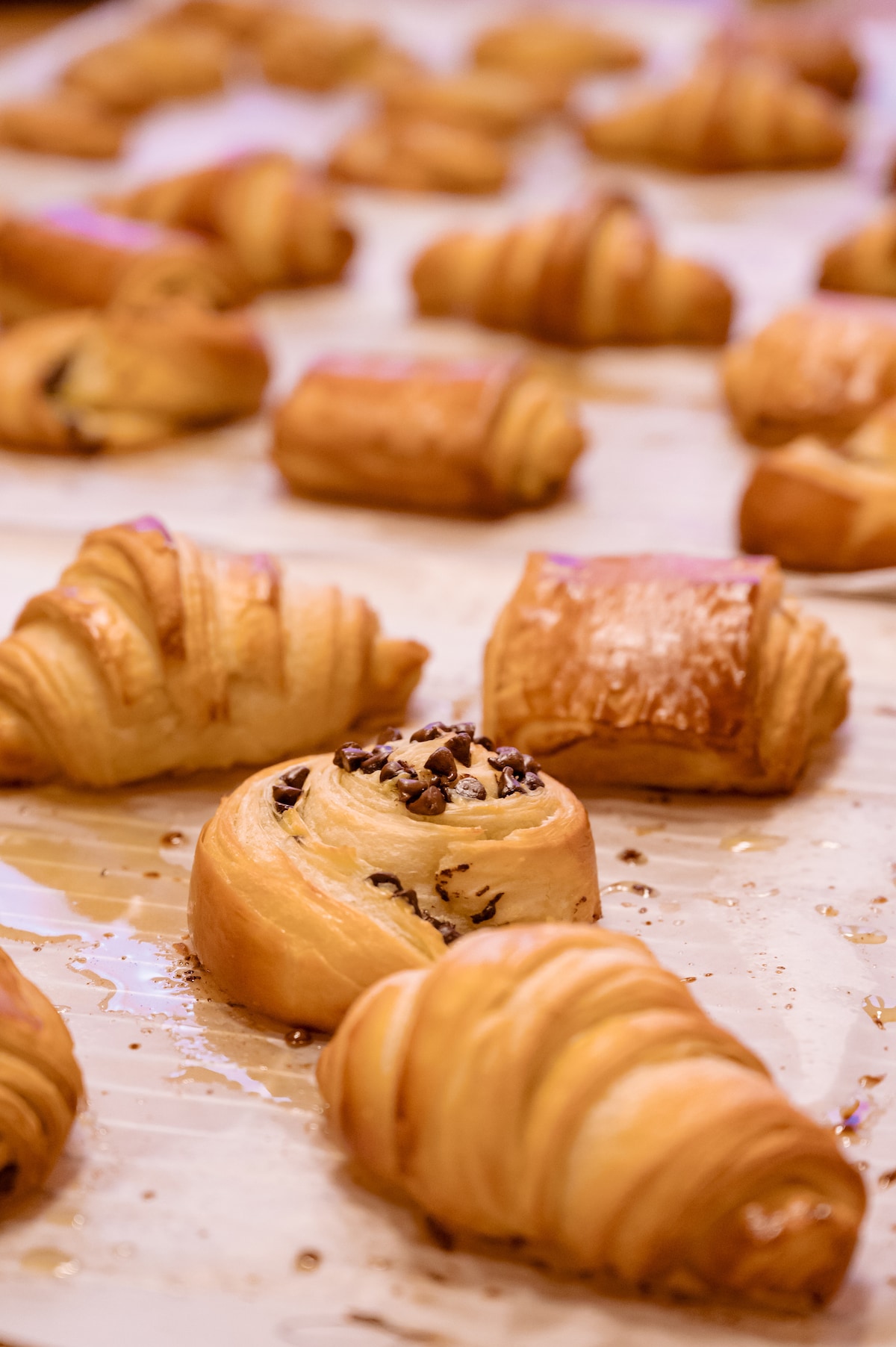
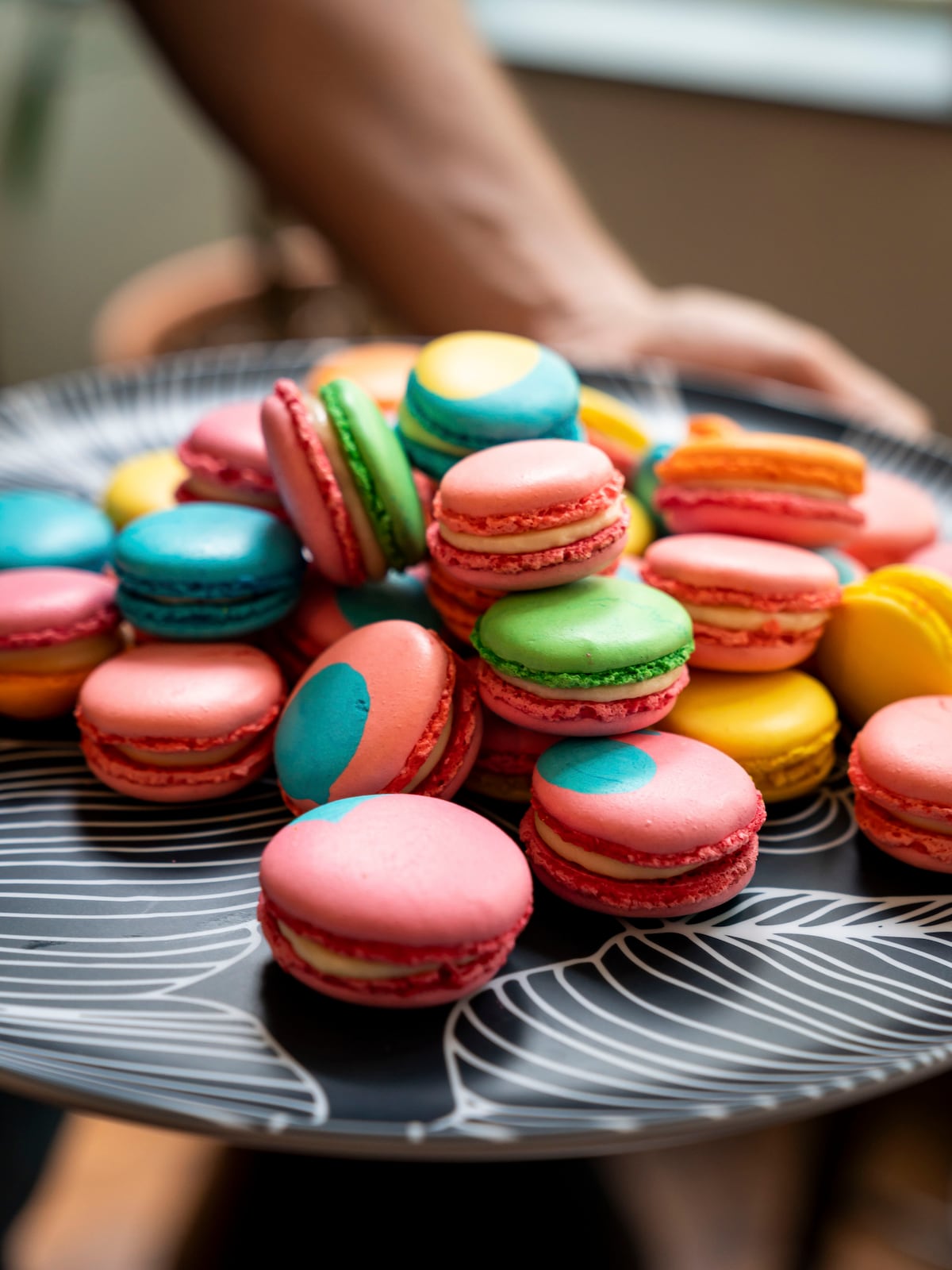
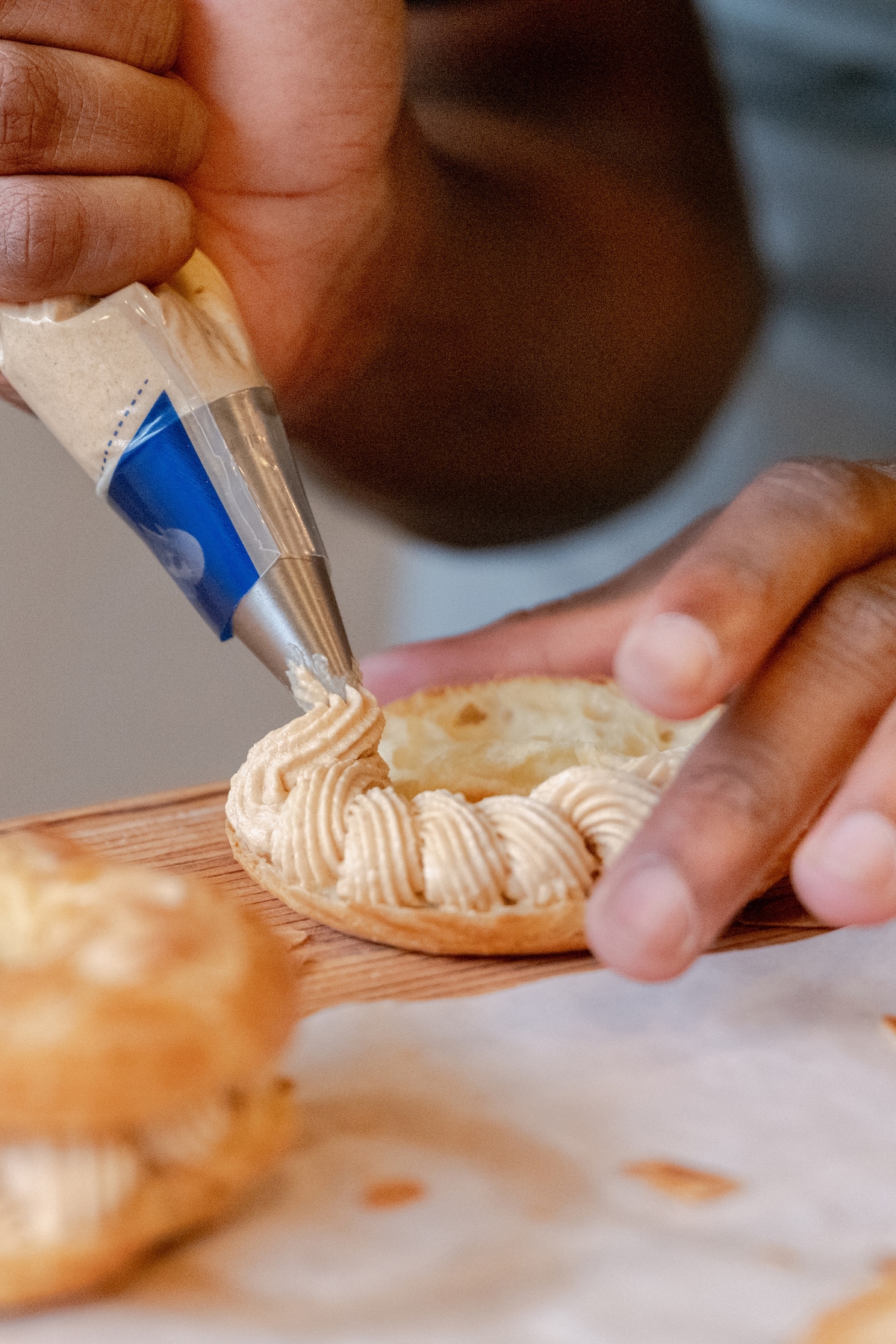
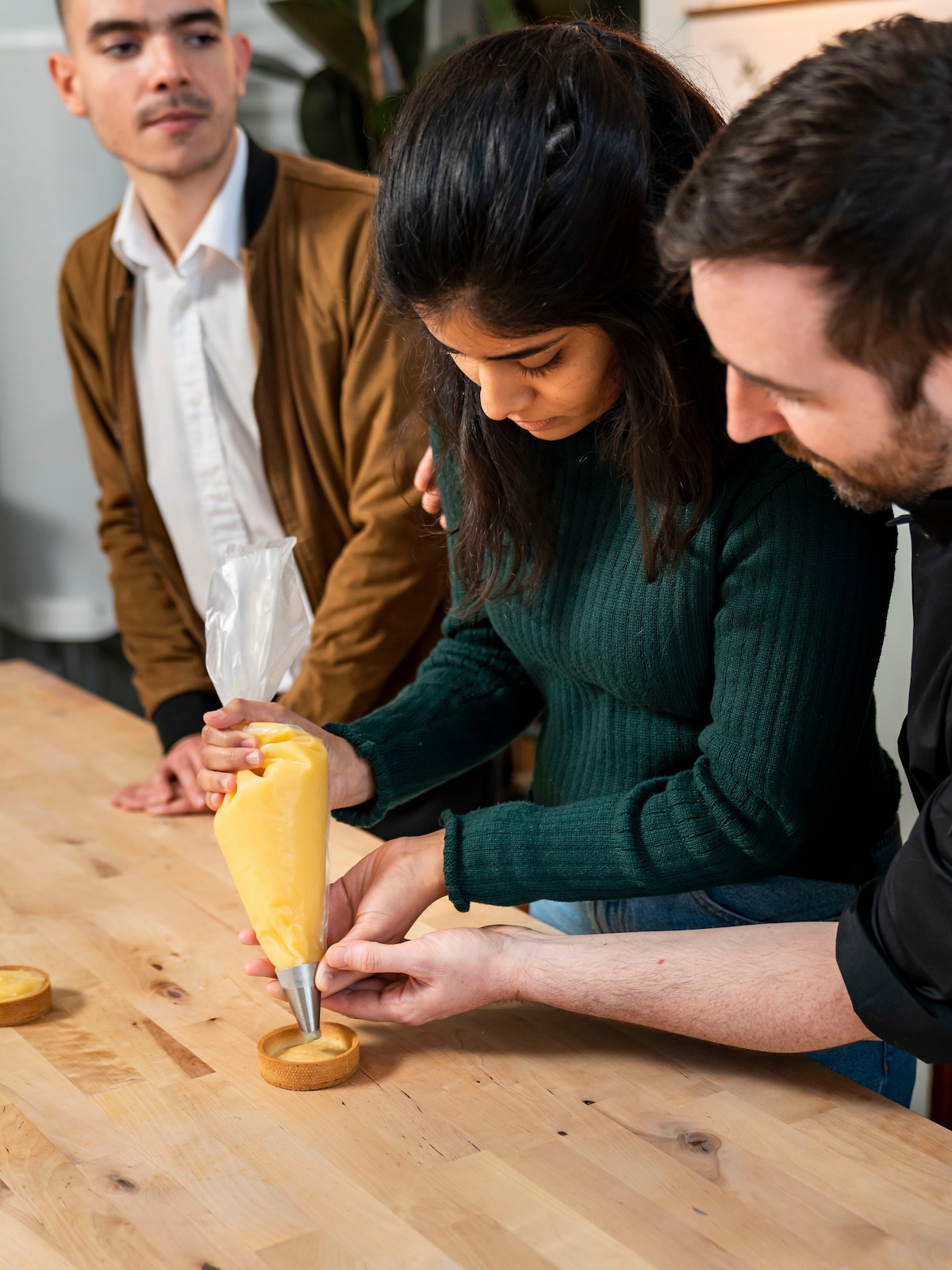
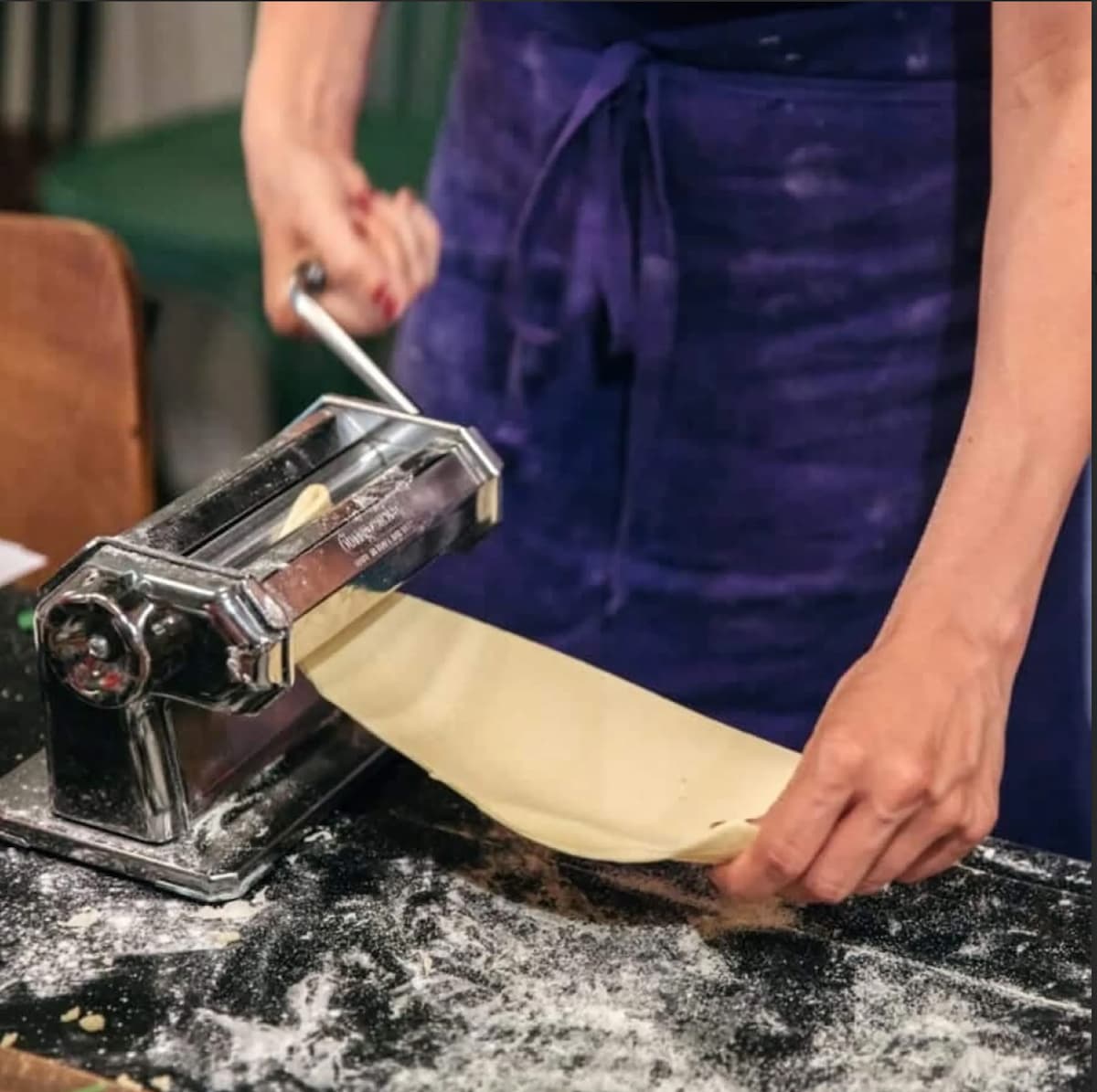
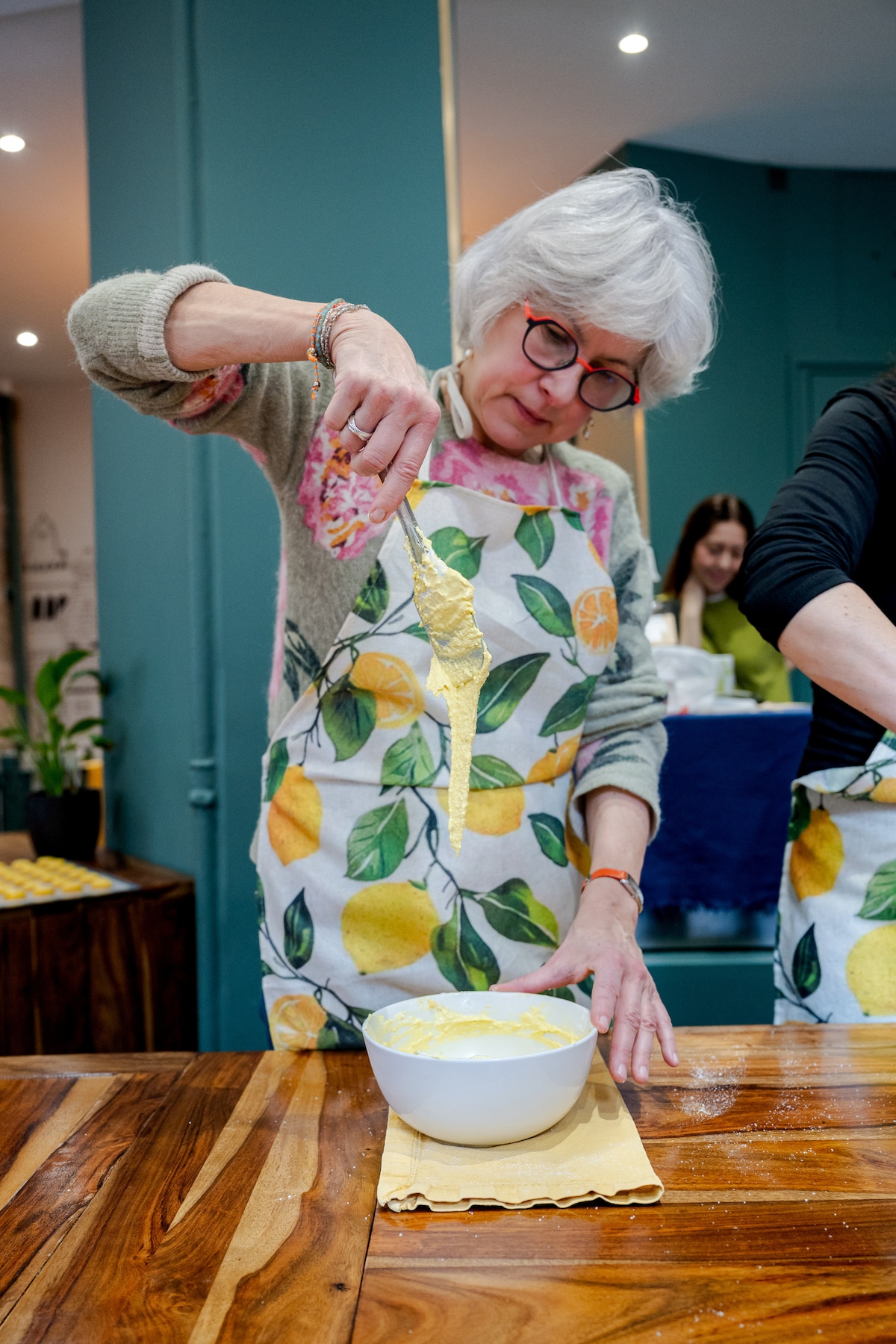
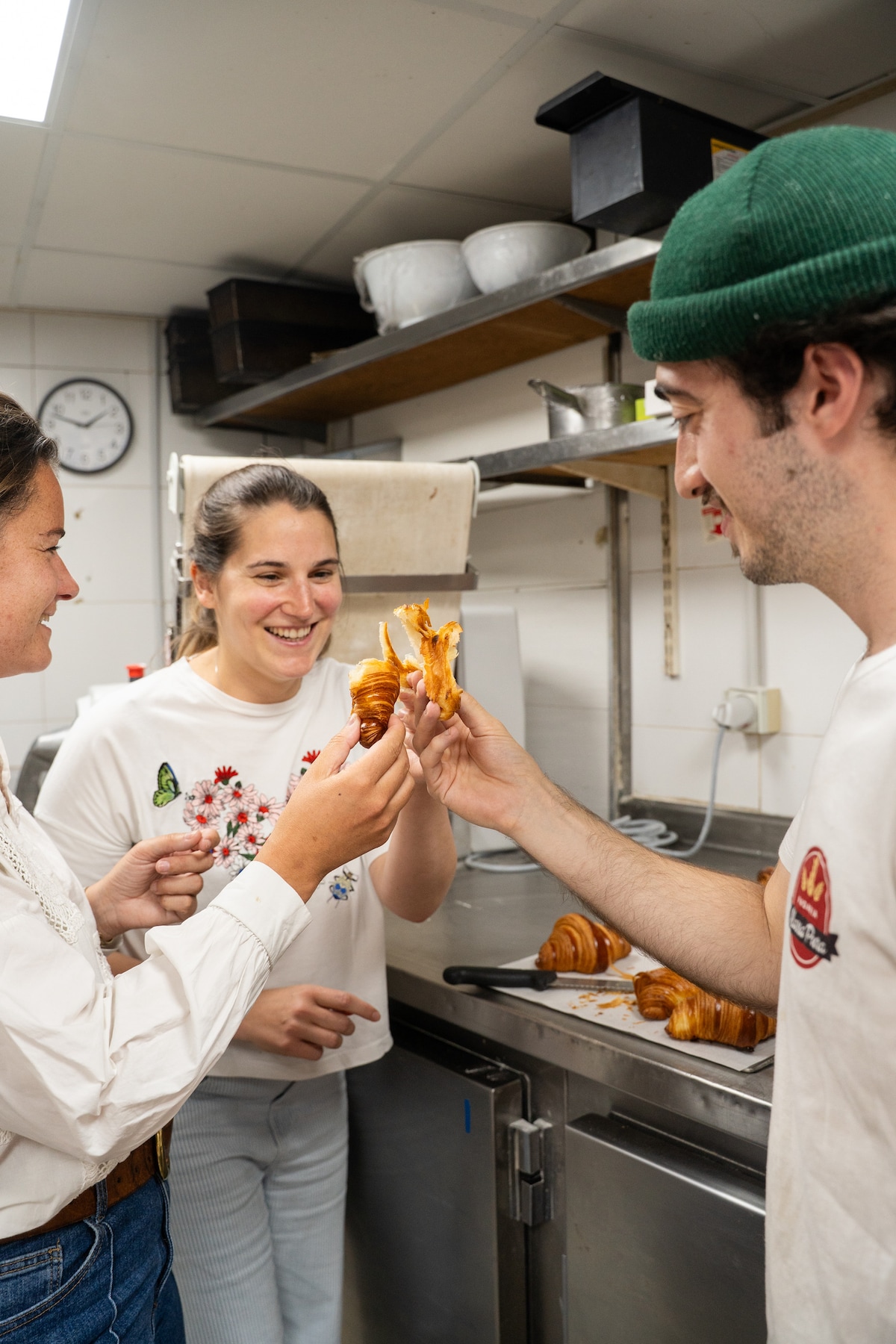
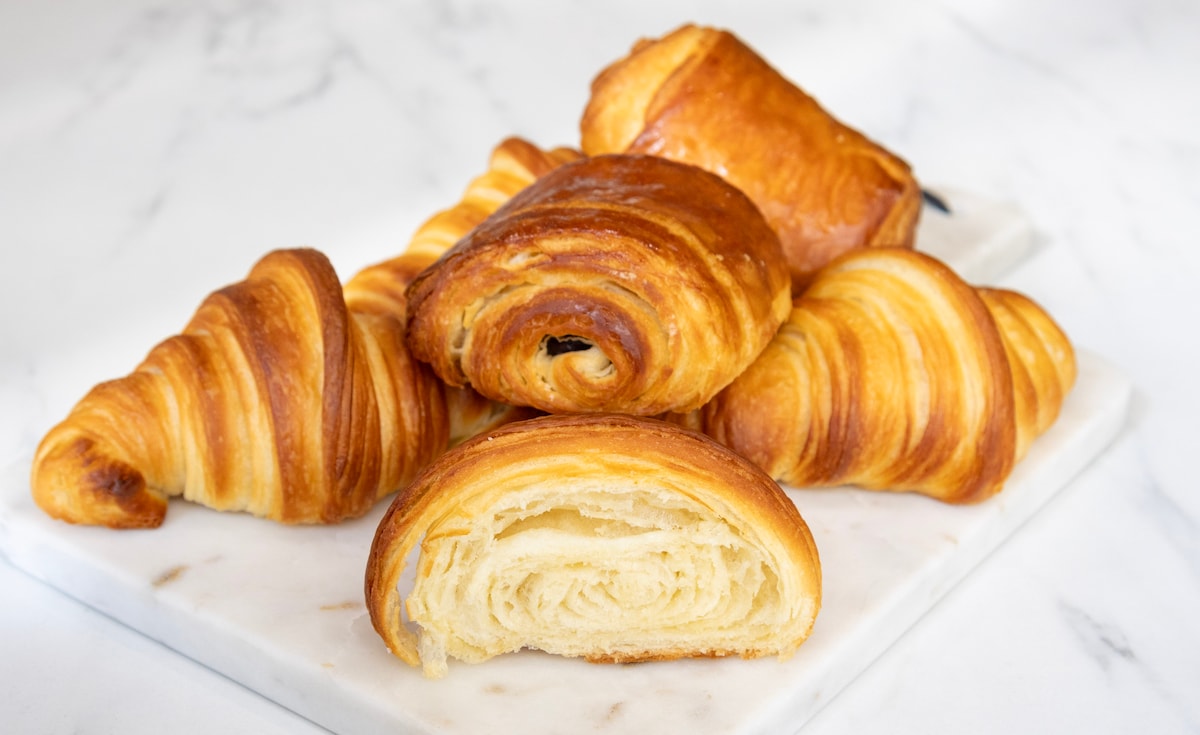
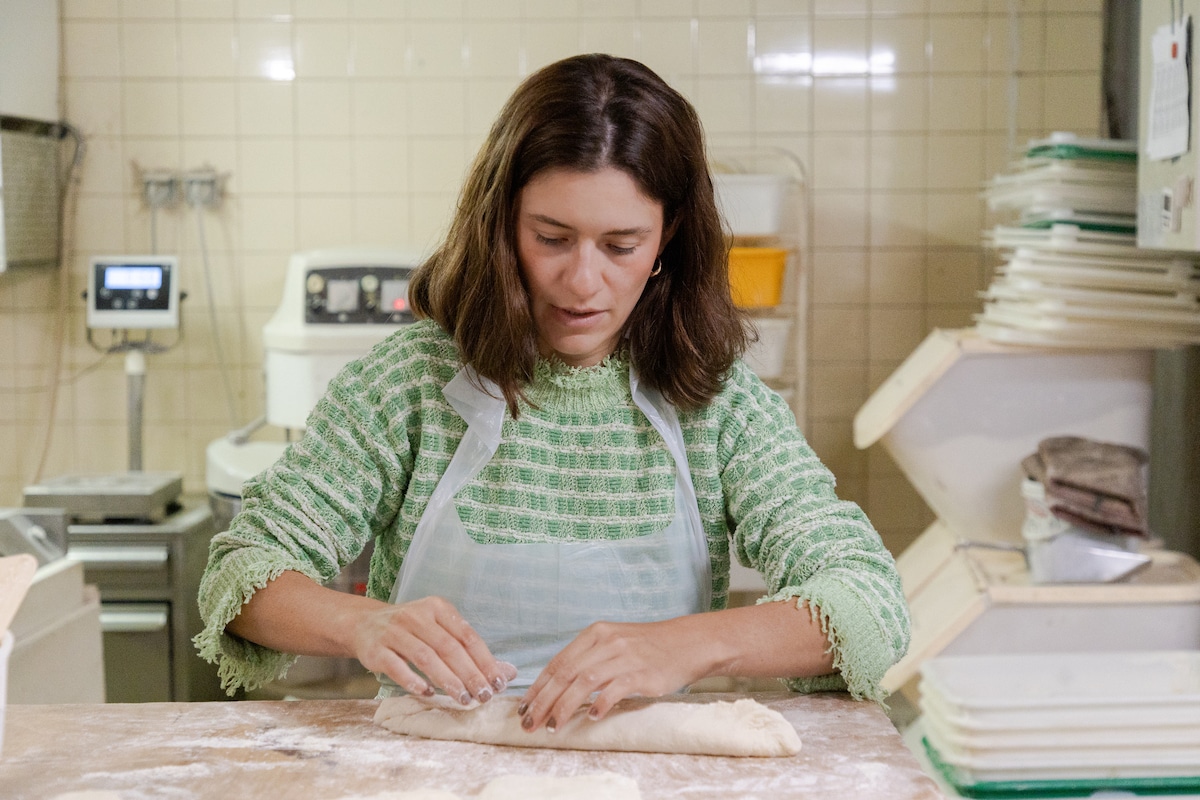
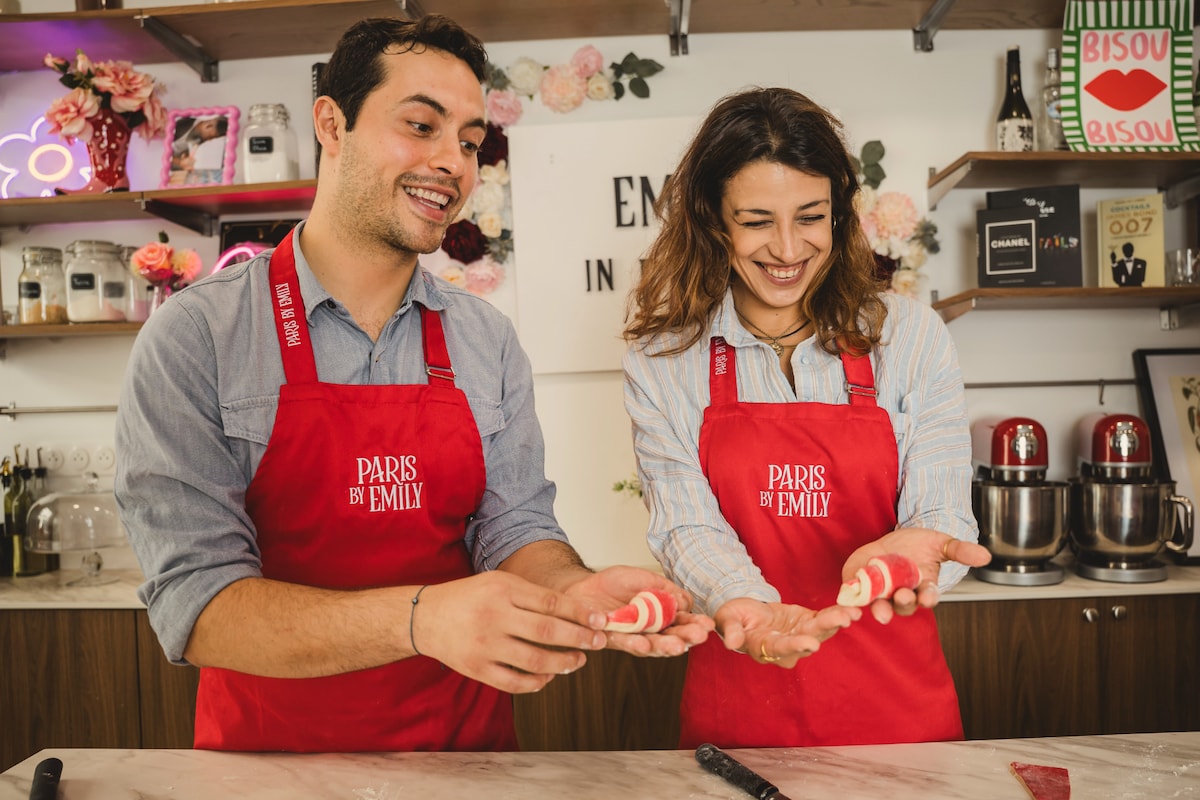
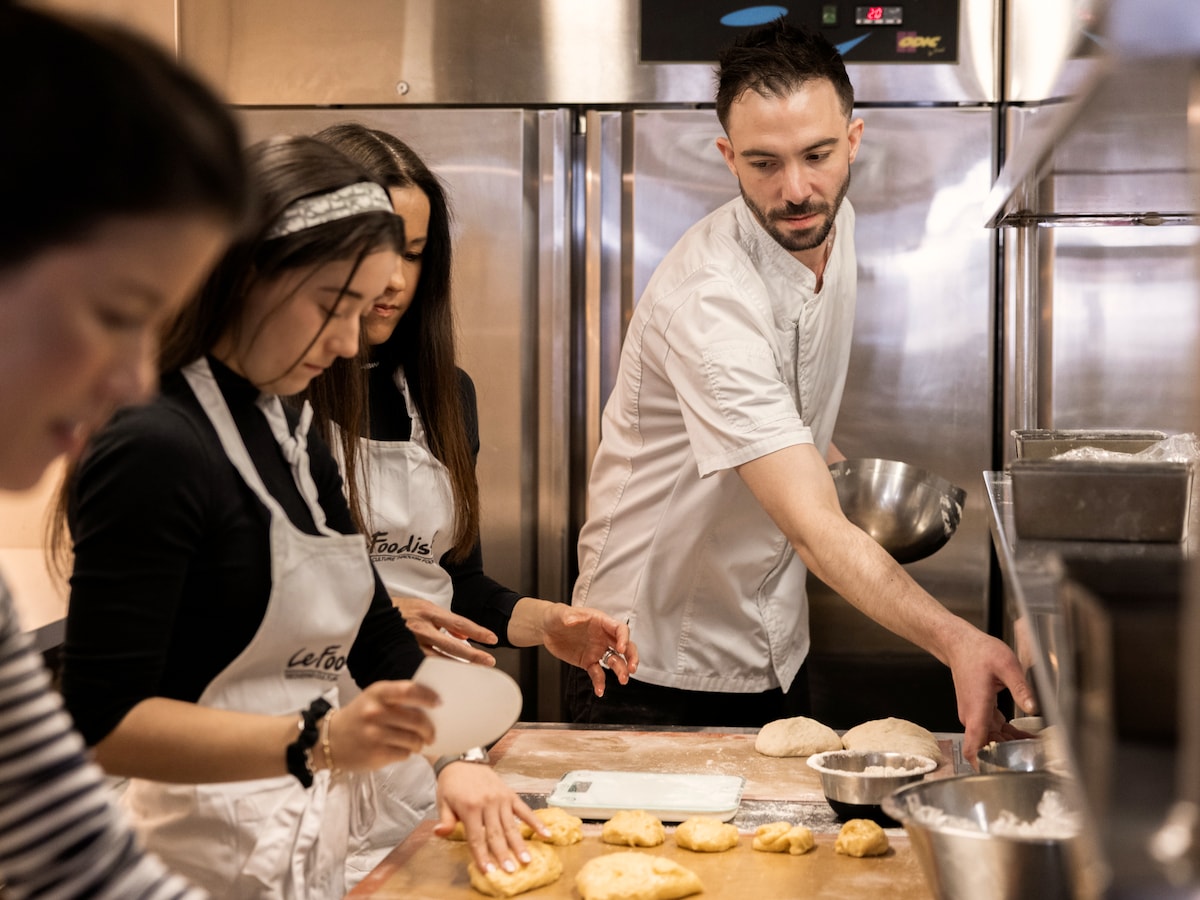
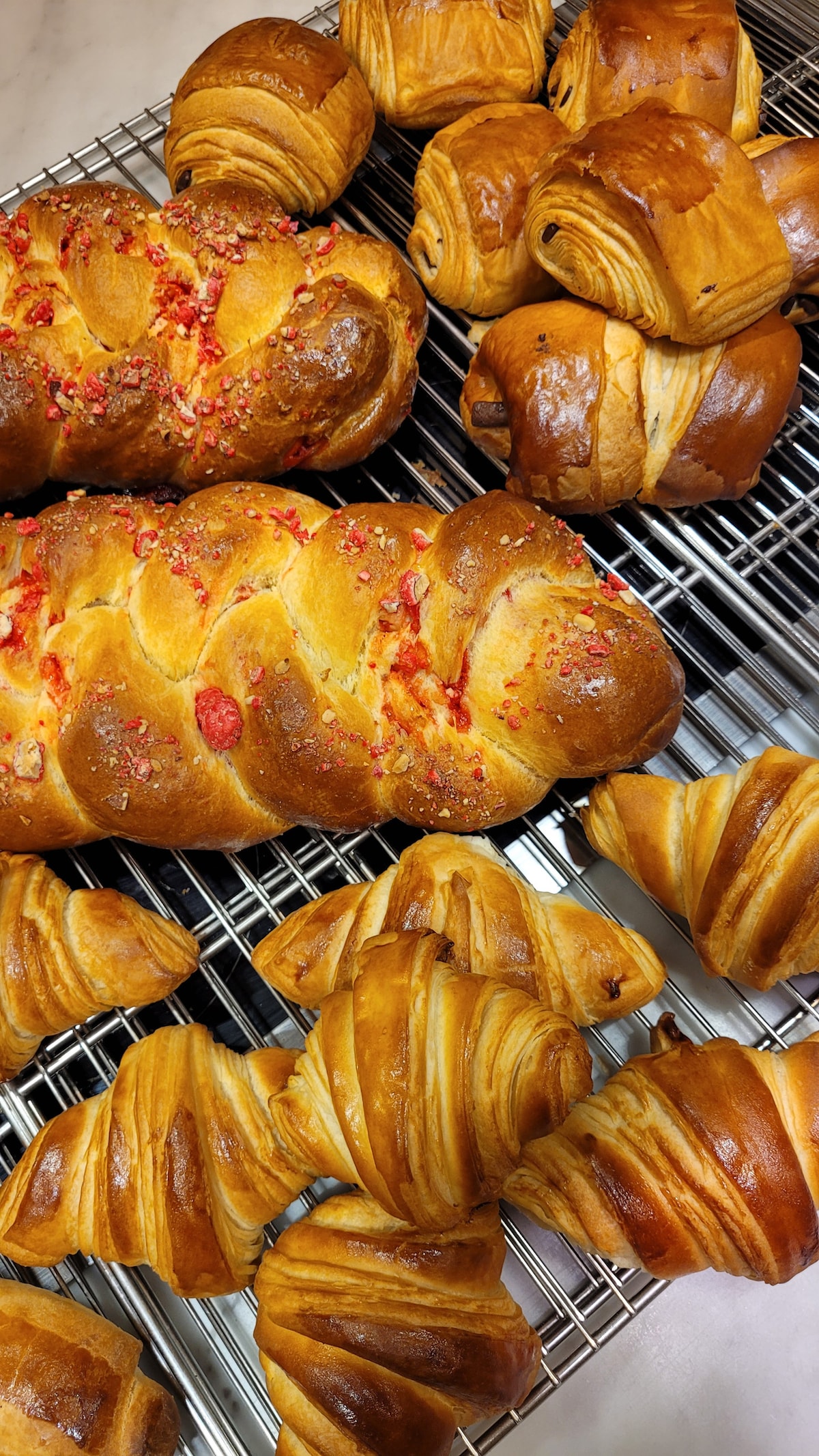
Some of the most popular classes focus on French pastry techniques. Learn the patient folding that gives croissants their layers or the precision piping behind a macaron. You’ll leave with what you made and the skills to do it again at home.

French technique
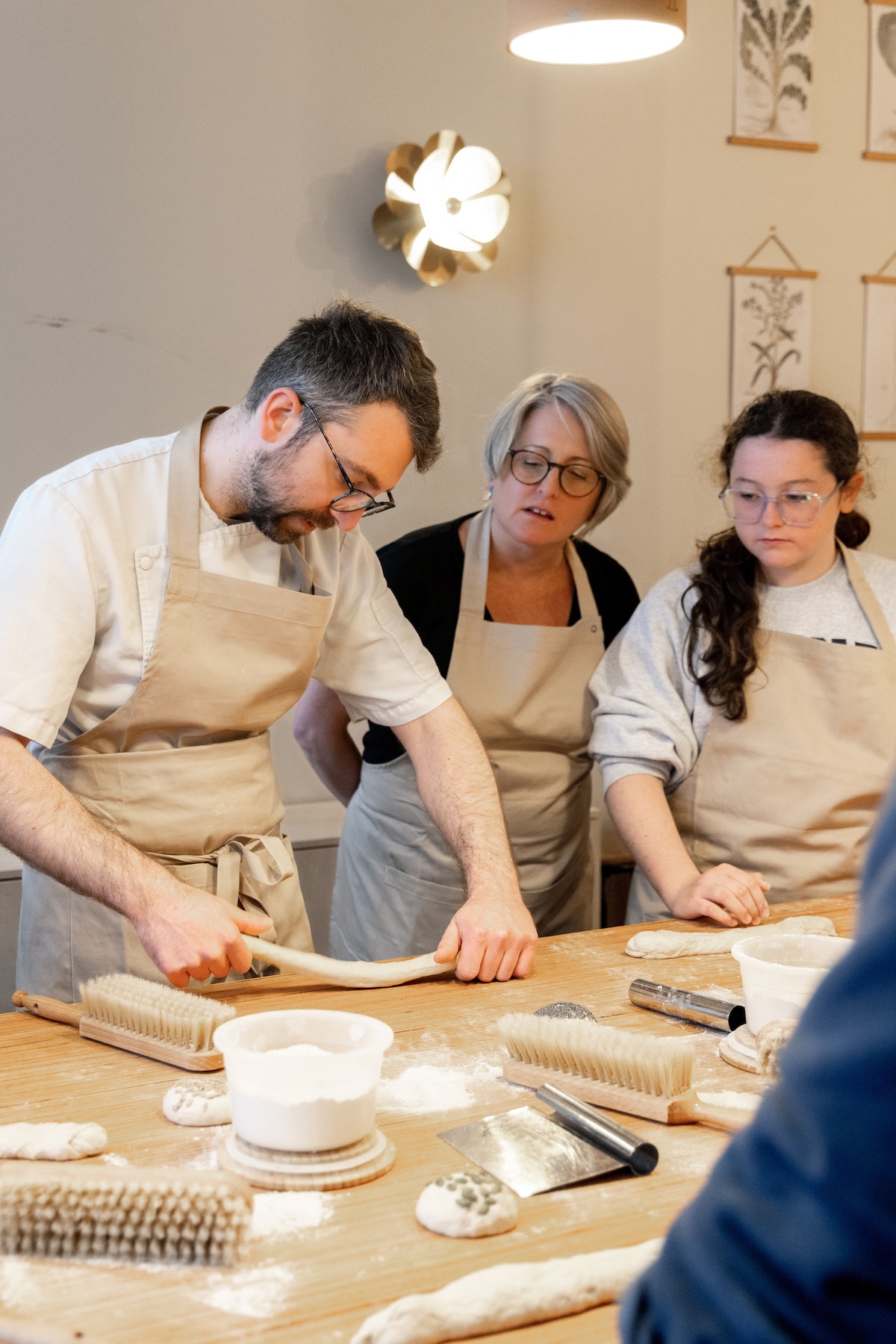
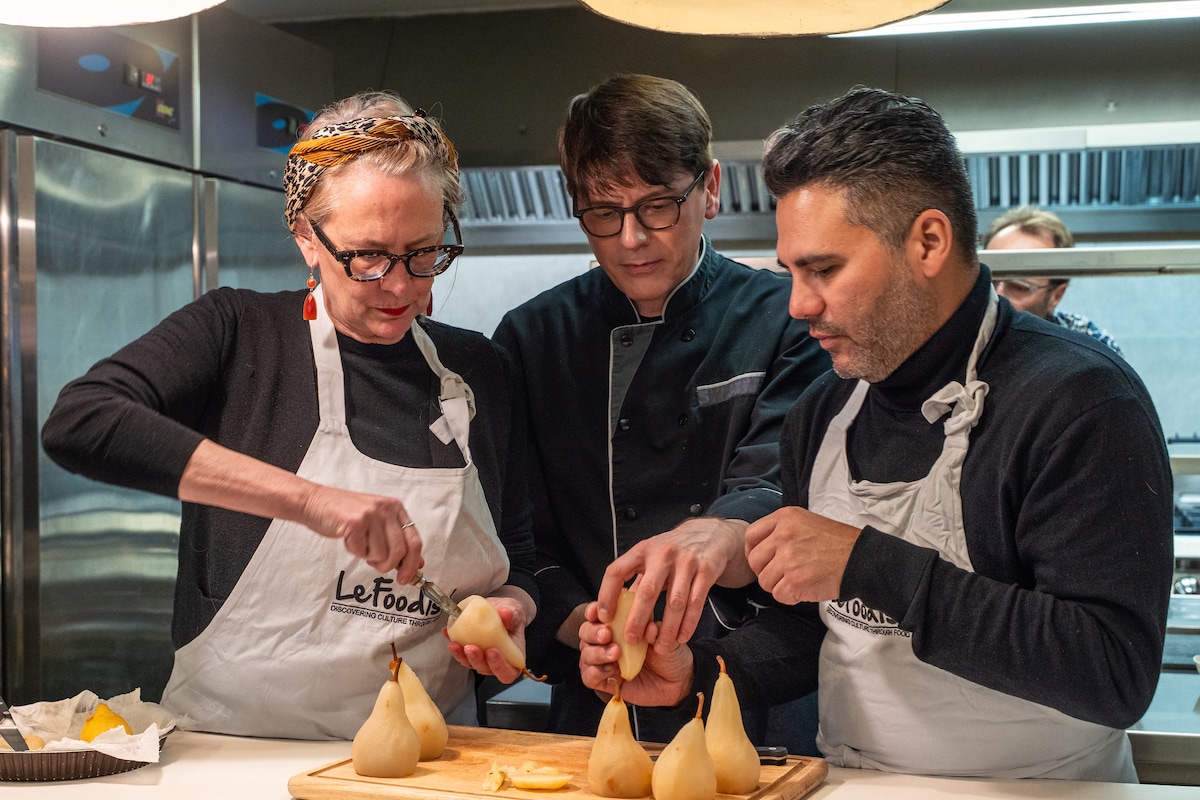
Classes are a great way to immerse yourself in the fundamentals of French cooking. Learn the mother sauces, knife skills, and small details that turn a good dish into a great one. You’ll come away with a set of building blocks that will influence your cooking long after you’ve left Paris.

A shared table
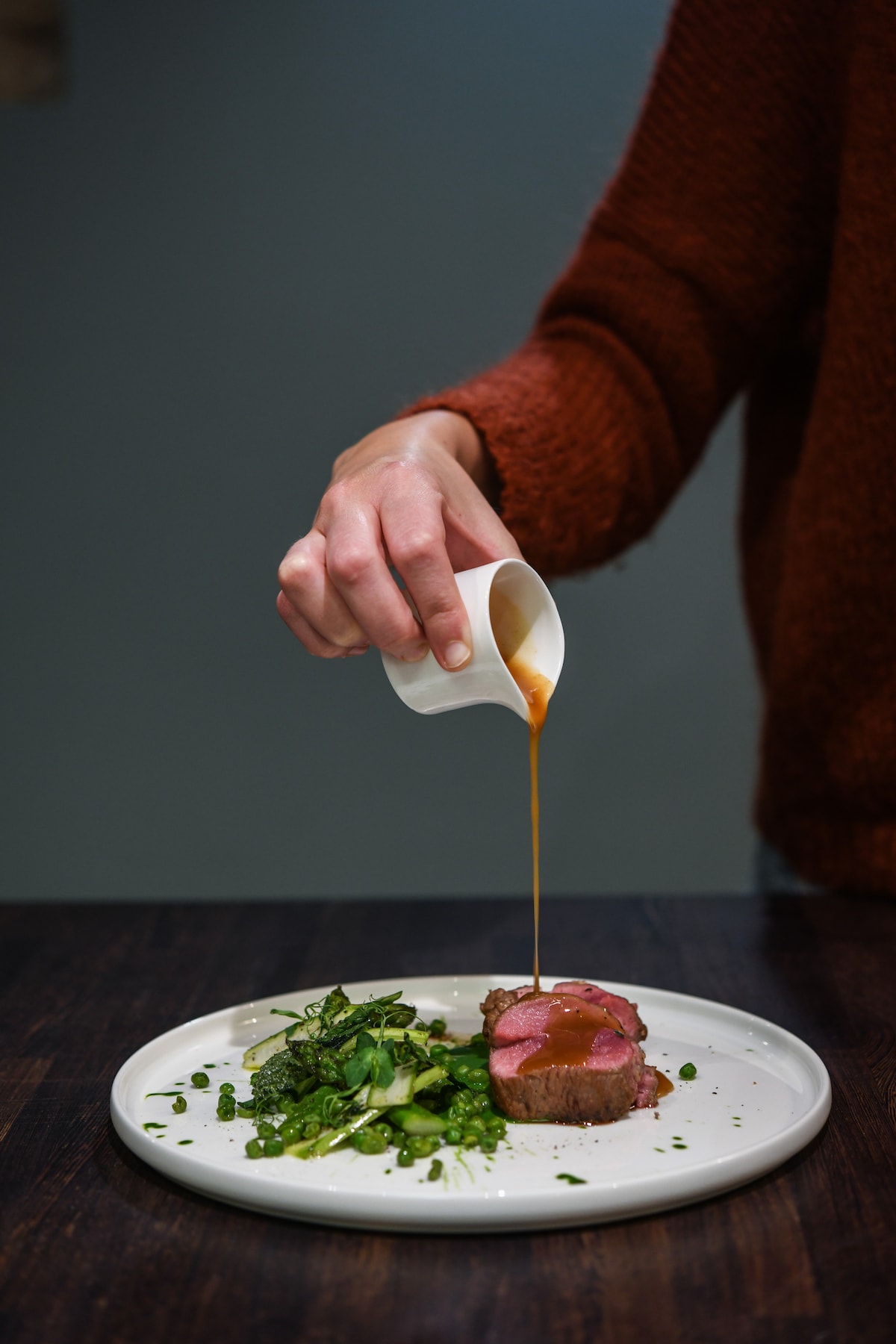
Most classes end the way a French meal should—with everyone sitting down to eat what they’ve made, sharing wine and stories around the table. It’s this part that turns a cooking lesson into an evening to remember.
Cooking classes in Paris FAQs
What are the best cooking classes?
The best class really depends on what you’re after. Some are built around a market visit and a full meal, while others focus on a single skill like pastry or bread making. For a more formal experience, look for one set in a grand hotel kitchen. Evaluate the format, group size, and dynamic (i.e. hands on or demonstration based), then pick the one that matches the kind of afternoon you want.
How much do cooking classes cost?
Short workshops like croissant or macaron classes usually start at $50 for 2–3 hours. A full day with a market visit and a cooking class runs roughly $230 to $590, depending on the school. Multi-day immersions go higher, from about $850 for three days, up to $1,900 for a five-day program in a prestigious kitchen.
Are classes taught in English?
Most cooking classes in Paris are taught in both French and English, and most classes available through Airbnb Experiences are offered in English. It’s always worth checking the language before you book, just to be sure, and checking with your host if you’d like the experience in a specific language.
Do I need cooking experience?
Not at all. Most classes are designed for home cooks, and the chef walks you through every step. If you can hold a knife and follow along, you’ll do just fine. More advanced multi-day programs exist for those who already cook with confidence, but they’re the exception rather than the rule.
What types of classes are available?
You can choose from market-to-table cooking, pastry and macaron workshops, bread and croissant baking, wine-focused sessions, plant-based cooking, and multi-day intensive programs. Some schools also build classes around seasonal ingredients or a specific technique like sauce making. There’s always something new to try, even if you’ve taken a class before.
Can children take cooking classes?
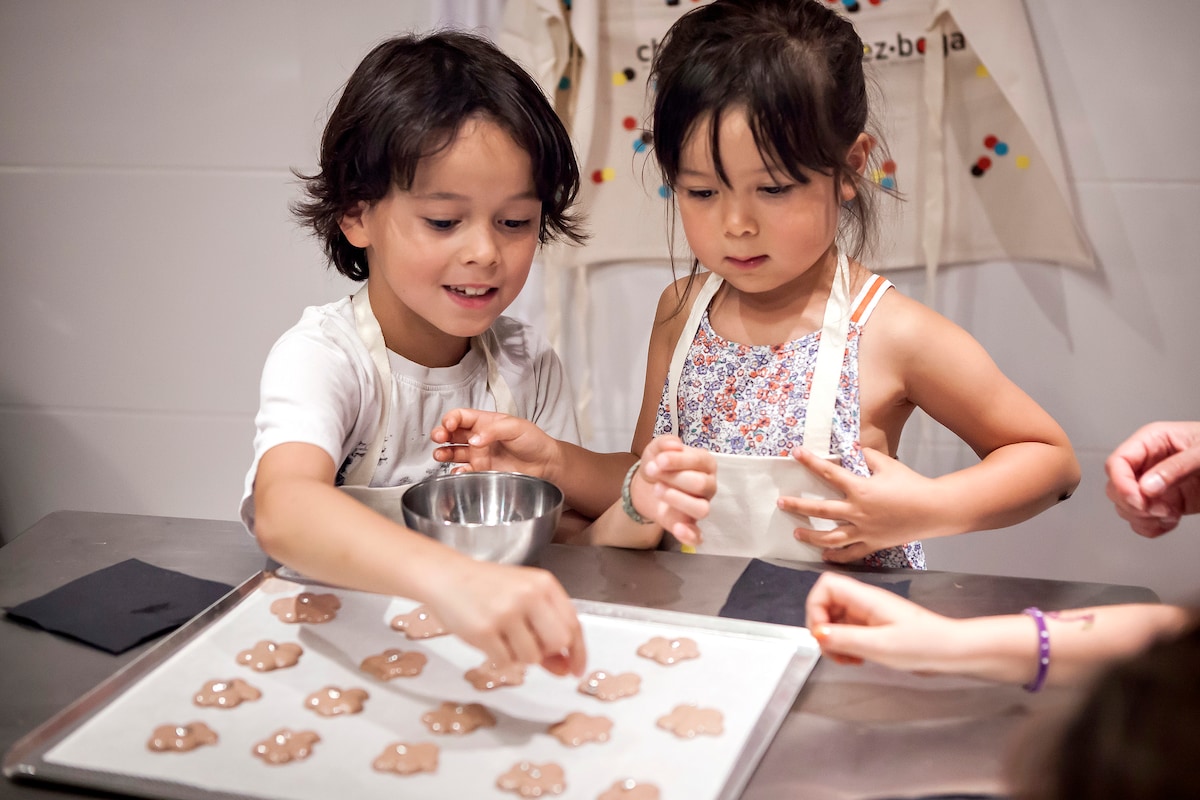
Yes, and it’s a great way to get kids excited about food. Several schools welcome younger guests, some run family-friendly sessions, and others offer dedicated classes for kids and teens or private workshops for younger children. Check the age requirements with the host before you book.
When is the best time to book?
Spring and early summer offer the widest range of seasonal produce for market classes, but those months also tend to be the busiest. Demand peaks from May through July, so it’s worth reserving 2–3 weeks ahead. One thing to consider: open-air markets are closed on Mondays, so keep that in mind for market-to-table classes.
Are vegetarian options available?
Most schools can accommodate vegetarian diets with advance notice, and some even offer dedicated plant-based classes. Vegan options are usually available on a private basis. Just let the host know your dietary needs when you reserve and they’ll take care of the rest.
Things to know about cooking classes in Paris
Entry
- Book 2–3 weeks ahead in summer. Demand peaks from May through July.
- Market-based classes do not run on Mondays, when the open-air markets are closed.
- Most schools welcome ages 12 and up, with dedicated workshops available for younger kids.
What to expect
- Classes range from 2-hour pastry workshops to multi-day programs, most taught in both French and English.
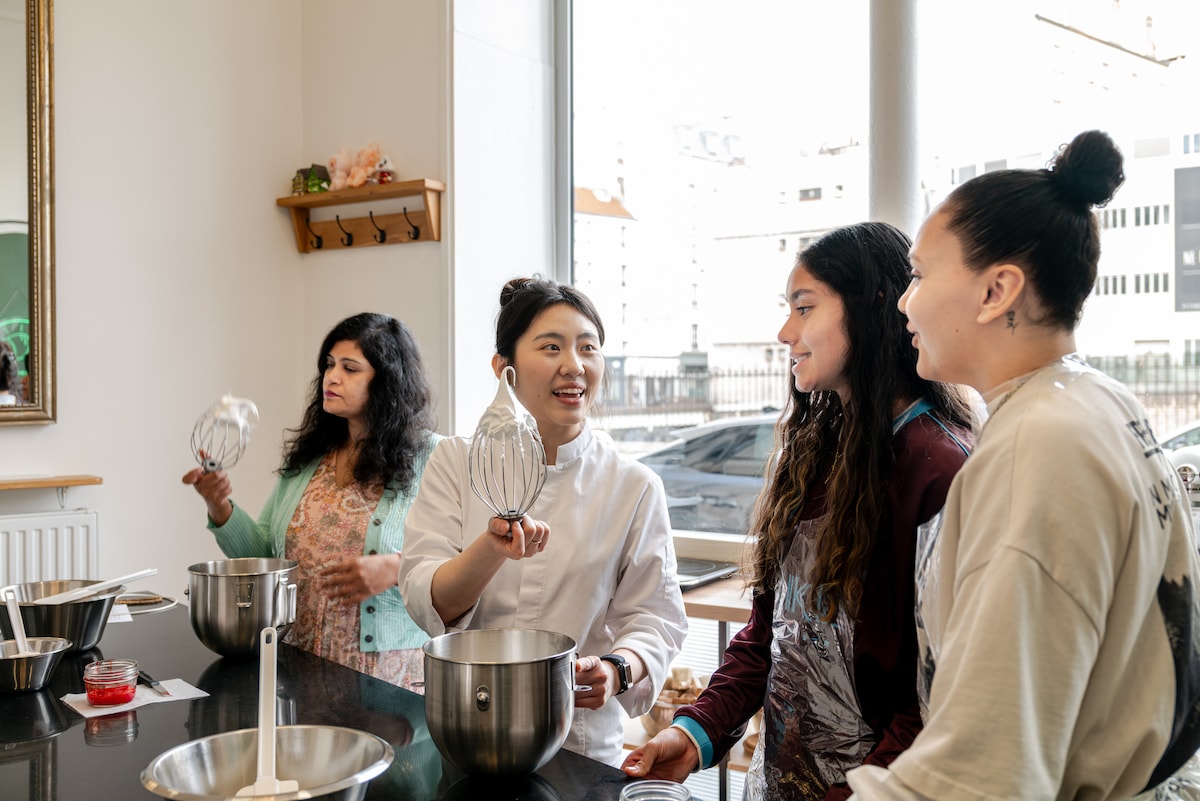
- All ingredients, tools, and aprons are provided, so you just need to show up.
- You’ll sit down to eat what you cooked at the end of class, usually with wine.
Important information
- No cooking experience is needed, as the chef guides you through every step.
- Vegetarian diets can usually be accommodated with advance notice.
- Plant-based classes exist, though vegan menus usually require private bookings.